

A major collision can leave a vehicle with damage that reaches far past the visible dents. Hidden structural issues, paint damage, wheel alignment problems, and sensor faults may affect safety after the crash. A careful repair process helps return the vehicle to a safer and cleaner condition.
A trusted auto body shop in Sioux Falls SD can review the vehicle after the accident and create a repair plan based on the full damage profile. The process may include teardown, frame checks, parts review, paint work, and safety system checks. This article explains the main steps that help restore a vehicle after a serious crash.
Start With A Complete Damage Review
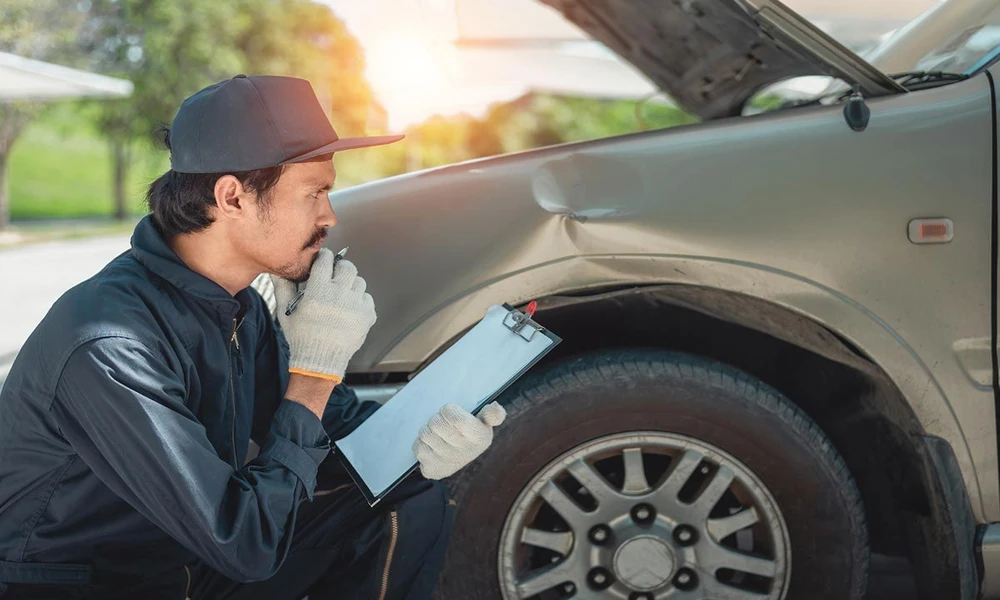
A full damage review gives the repair team a clear base before work begins. Exterior dents can hide inner damage near the frame, suspension, doors, or bumper supports. The inspection should include photos, written notes, and a review of the accident impact areas.
Insurance details also need attention during this stage. A repair estimate may change after panels come off and hidden damage appears. Clear communication helps the owner understand the repair scope before parts and labor move ahead.
Confirm The Structural Repair Plan
Structural repair deserves careful review after a hard impact. A vehicle may look straight while the frame or unibody has shifted slightly. The following points show what a repair plan should address.
- Frame or unibody measurement against factory specs.
- Door, hood, and trunk gap checks.
- Suspension mount and wheel angle review.
- Damage near bumper reinforcement areas.
A solid plan helps the shop decide which parts need repair or replacement. It also helps prevent poor panel fit after the vehicle leaves the shop. Proper structural work supports safety, ride quality, and long-term vehicle value.
Manage Parts, Panels, And Paint Match
Major collision repair may require new panels, trim pieces, lamps, clips, and internal supports. The repair team should confirm part type, availability, and fit before final assembly begins. Delays can happen when rare parts or special components need extra time.
Choosing a trusted auto body shop in Sioux Falls SD matters because parts, panel alignment, and paint match all affect the final repair quality. A reliable shop can identify correct replacement parts, prevent poor panel gaps, and match the vehicle’s existing finish with care. This level of repair control helps the vehicle look consistent and function properly after a major collision.
Review Safety Systems And Calibration
Modern vehicles rely on cameras, radar units, sensors, and electronic safety systems. A major crash in Sioux Falls can move those parts out of their correct position. These items need review before the vehicle returns to daily use.
- Airbag system codes.
- Blind spot sensor position.
- Backup camera view.
- Radar and lane assist calibration.
These checks help confirm that safety features can respond as intended. A small sensor shift can affect driver alerts after the repair. Proper calibration supports safer operation after body and paint work are complete.
Check Final Fit, Finish, And Delivery
The final review should cover both appearance and function. Doors should close cleanly, lamps should align, and trim should sit properly against the body. The paint surface should look smooth under normal daylight and shop lights.
A road check may also help identify noises, pulls, or vibration after the repair. The owner should review the finished vehicle before final pickup. Repair records, warranty details, and care instructions should stay with the vehicle for future reference.
A major collision repair needs more than a surface fix. The best results come through careful damage review, structural checks, parts control, paint match, safety system review, and final inspection. Drivers in Sioux Falls should look for a repair process that treats appearance, function, and safety as connected parts of the same job.
