

A roof that looks fine from the driveway can still be the weakest link on your block. I have walked plenty of them, and I can tell you the difference between a smart install and a ticking problem usually hides in places most homeowners never climb up to check.
So here is the promise: by the end of this, you will know how to read a roof the way a tradesperson does.
You will know which questions expose a sloppy job, which materials actually survive our climate, and when it makes sense to call in pros for residential roofing in South Florida versus when you can handle a repair yourself. No jargon, no sales script.
We will cover why roofs fail down here, how to inspect one without a ladder, and a simple scorecard you can run before you sign a contract. I built that scorecard after watching too many homeowners pay twice for the same roof.
Why South Florida Chews Through Roofs Faster Than Most Places
You do not live in a normal climate, and your roof knows it. Three things are working against you at once: wind that wants to peel the covering off, sun that bakes the surface for most of the year, and salt air that quietly corrodes every metal fastener it can reach.
Wind is the big one. When a storm pushes on a roof, it does not just press down. It creates uplift, a suction force that tries to lift the edges and corners first. A roof fastened the lazy way loses that fight. A roof fastened the right way holds. Those two roofs can look identical from the street, which is exactly why you cannot judge by appearance alone.
Heat is the slow killer. Constant sun exposure dries out sealants, warps underlayment, and shortens the life of anything cheap. Salt air speeds up rust on nails, flashing, and vents. Add it up and the wear and tear here runs faster than what a homeowner in a mild climate deals with.
The lesson: pick materials and workmanship built for this specific coast, not whatever is cheapest at the supply house.
What Actually Separates a Storm-Ready Roof From a Risky One
Here is my honest take. Most homeowners focus on the shingle color and miss the parts that decide whether the roof survives a bad night. The stuff you cannot see is doing the real work.
The attachment matters more than the surface. How the decking is nailed, how the edges are secured, how the underlayment is layered, all of that determines whether wind gets a grip. A gorgeous tile roof installed over weak fastening is a liability wearing a nice outfit.
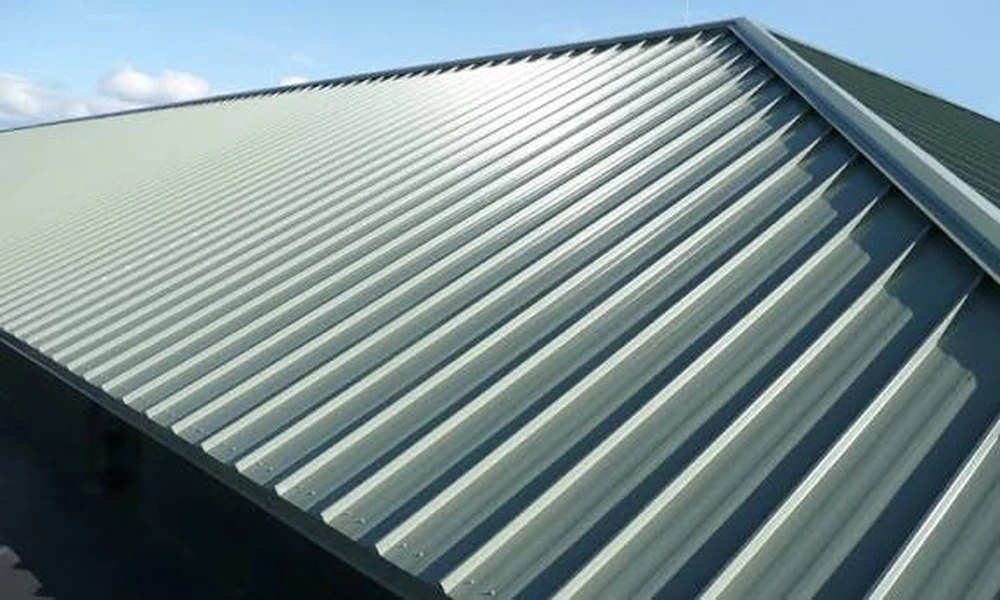
The material choice matters too, but not in the way people assume. In our climate, tile and metal both hold up well, and they handle heat and moisture better than most alternatives. Concrete and clay tile shrug off sun and resist mildew and algae. Metal reflects heat and resists the corrosion that eats lesser roofs. Neither is a magic fix if the install underneath is sloppy.
And the flashing, the thin metal that keeps water out of the seams and valleys, is where I have found more failures than anywhere else. Poorly set flashing leaks for years before you notice a stain on the ceiling. By then, the wood underneath is already soft.
Can You Inspect a Roof Without Climbing on It?
Yes, and you should. Grab binoculars and walk the perimeter of your house. You are looking for a short list of red flags, not a full diagnosis.
- Loose or missing tiles, or shingles curling at the edges
- Rust streaks on vents, nails, or flashing
- Granules collecting in your gutters or at the base of downspouts
- Sagging spots along the roofline
- Stains on interior ceilings or walls after heavy rain
Any one of these earns a closer look from someone qualified. Two or more means you stop putting it off. Granules in the gutter always catch my eye, because that is the surface of your roof washing away one rainstorm at a time.
One more thing most people never check: the attic. On a hot afternoon, go up and look at the underside of the roof deck. Dark streaks, damp spots, or daylight poking through tells you more in five minutes than a month of guessing.
The Five-Point Roof Scorecard I Use
This is the framework I run in my head on every home. Score each line from one to five, and be stingy.
| Check | What you are really asking |
|---|---|
| Age | How many years left before it is a replacement, not a repair? |
| Fastening | Was it installed to handle wind uplift at the edges and corners? |
| Flashing and seams | Are the water entry points sealed and intact? |
| Material fit | Does the covering actually suit this climate, or was it cheap? |
| Ventilation and drainage | Does heat escape and does water leave the way it should? |
If you total below fifteen, plan for action this year. It does not always mean a full replacement. Sometimes a targeted repair buys you several more years. But you want a real roofer telling you which, not a friend of a friend who does it on weekends.
How to Vet a Roofer Before You Hand Over a Deposit
The material is only half the story. The crew installing it decides how long it lasts. When you get quotes, ask direct questions and watch how they answer.
Ask how they handle wind uplift at the edges, specifically. Ask what underlayment they use and why. Ask who is pulling the permit, and whether they carry insurance for the workers on your roof. A pro answers these without flinching. A hustler gets vague and starts talking about the great deal you are getting.
Get everything in writing, including the scope of work, the materials, and the warranty. Then check recent local references, not just the ones on their website. A contractor who has done solid work in your neighborhood should be able to point you to it.
It helps to understand what the wider building science community already knows about storm damage. Groups that study property resilience, like the Insurance Institute for Business and Home Safety, have documented for years how the weakest attachment points drive most wind-related roof failures. That research is why fastening details matter so much down here.
The standards behind safe construction are not guesswork either. The National Institute of Standards and Technology studies how buildings, including roofs, actually perform under extreme weather. Knowing that guidance exists should make you demand better, not accept whatever the lowest bid offers.
Repair or Replace? A Straight Answer
I know a lot of homeowners want a simple rule, so here is mine. If the damage is isolated to a small area, the roof is still well within its expected life, and the underlayment is sound, repair it. Fix it once, fix it right, and move on.
If the damage is widespread, the roof is already near the end of its life, or you have gotten water inside more than once, stop patching. You are just paying interest on a problem you will face later. Replace it now, with a material and install built for our weather, and you will not see this
issue again for a long time.
And before any storm season arrives, do the cheap preventive stuff. Clear your gutters. Check your flashing. Trim the trees hanging over the roof. Small habits keep a decent roof decent.
It also helps to know what your local emergency management officials expect, because South Florida sees its fair share of severe weather. You can find season preparation guidance through the Florida Division of Emergency Management.
Play it smart, treat your roof like the investment it is, and it will do its job when the sky turns ugly.
