

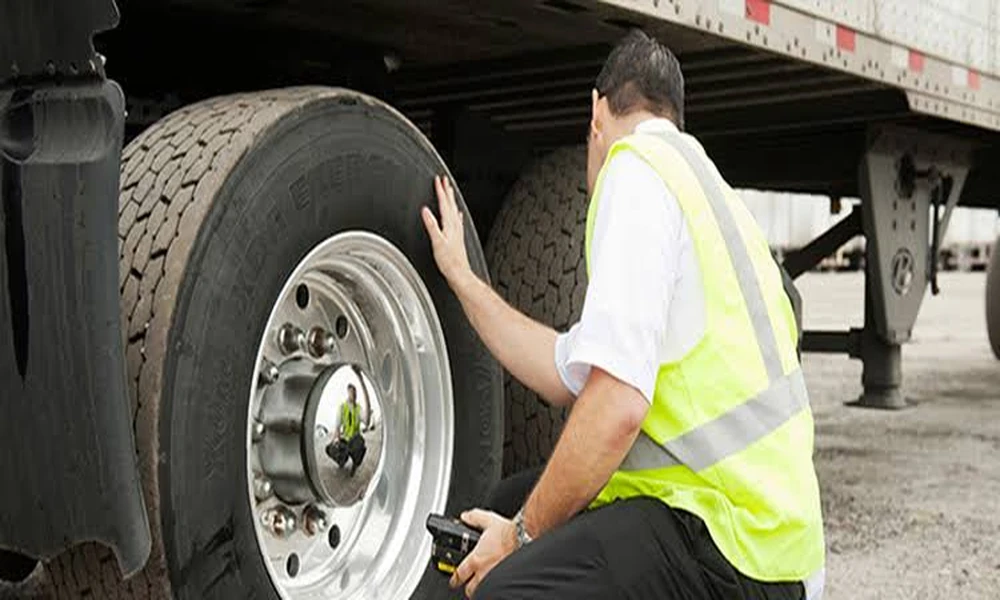
Heavy trucks play a crucial role in efficiently running Montreal transportation, logistics, and construction industries. This includes long-haul freight carriers, delivery trucks, and dump trucks. They are designed for carrying heavy workloads in extreme conditions. This makes timely maintenance and repairs a must for these vehicles to ensure efficient usage, safety, and longevity. Heavy truck repairs can be costly and time-consuming. So, if you have a heavy truck repair in Montreal, it is important to know in advance what to expect during the process.
Types of Heavy Truck Repairs
Your heavy truck may need repair for mechanical or technical issues. Some of the more common types of repairs carried out include the following:
1. Engine Diagnostics & Repair
The engine is simply the most important component in a truck. You can expect the technicians to use diagnostic tools to detect and identify problems such as:
- Overheating
- Loss of performance
- Fuel injection issues
2. Braking System Repair
Braking systems in heavy trucks have a critical role to play in terms of safety. A repair job can include:
- Air brake repair
- Brake pad replacement
- System inspection
3. Transmission Repair
Transmission systems in heavy-duty trucks have to bear a significant amount of stress on a consistent basis. Some of the common repairs performed on this system include:
- Gear repair
- Clutch replacement
- Transmission fluid changes
4. Electrical System Repair
Heavy-duty trucks today feature advanced electrical systems. Your repair shop may fix electrical problems involving:
- Wiring
- Onboard computer systems
- Alternators
- Batteries
Some of the other components requiring repairs on heavy-duty trucks include suspension, steering, exhaust, and tires.
What to Expect During a Heavy Truck Repair?
When you bring your truck for a repair job, you can expect the following as part of the process:
1. Thorough Vehicle Inspection
A comprehensive inspection involves assessing your truck’s condition to discover both visual wear and underlying issues. This part of the process can involve reviewing components such as:
- Belts
- Fluid levels
- Wiring connections
- Filters
- Hoses
They can also evaluate tire tread depth to identify steering or suspension problems.
2. Diagnostic Testing
Diagnostic testing involves analysis of data from the onboard computer. Technicians use advanced testing tools to access fault codes related to transmission, engine performance, emission system, or other components. Some of the additional assessments include:
- Compression checks
- Battery load tests
- Fuel pressure checks
The objective of diagnostic testing is not only to detect underlying causes, but also to isolate specific problems.
3. Repairs
Once the technicians have identified the underlying cause, they will begin the essential repairs and parts replacements. The service advisor will explain the following aspects of the repair job:
- Parts replacement
- Labor requirements
- Timelines
A heavy truck repair job goes beyond and also focuses on restoring a truck’s structural integrity and operational effectiveness. The ideal repair shops will complete the job based on the manufacturer’s recommendations to ensure reliable performance.
4. Safety Tests & Compliance Ensurance
Once the repair job is complete, the mechanics will conduct safety tests to ensure all the major systems work properly. This also includes testing:
They may also review emissions performance to ensure compliance with regulatory requirements.
A reputable Montreal heavy truck repair shop will also provide clear documentation. This paperwork outlines the jobs completed, components replaced, and the repairs completed. The report may also mention the parts functioning properly but indicating early signs of wear. This documentation can become part of service records that help fleet managers track their fleet’s performance and maintenance schedule.
When you know what to expect during a heavy truck repair job, you can have greater control over the process. Proper repair service ensures reliable vehicle performance while reducing risk exposure.
