

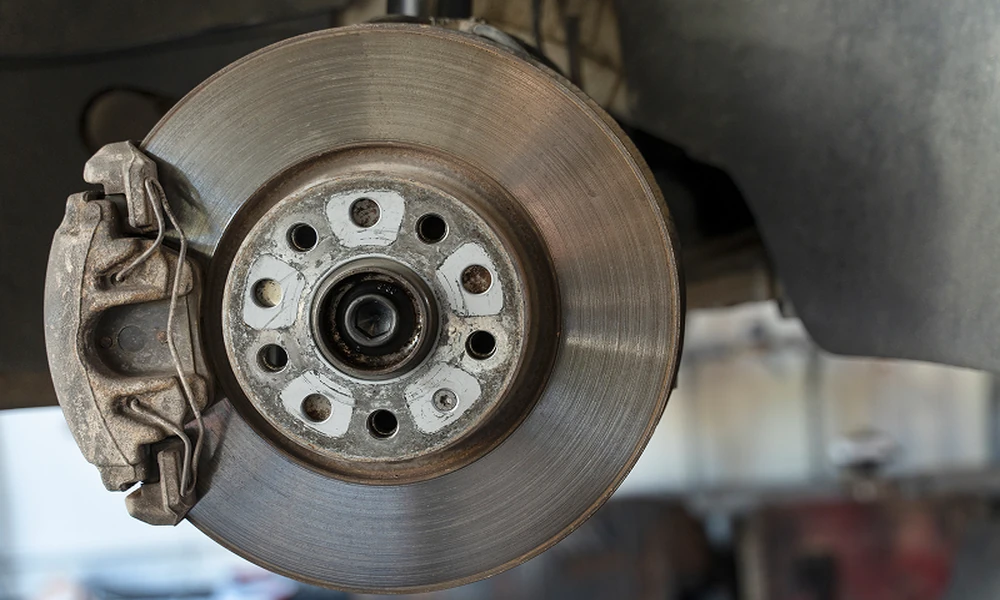
The Fast Track to Truck Health
- Regular inspections of your vehicle’s critical systems can prevent costly emergency repairs.
- Understanding the subtle signs of component wear allows you to address issues before they cause a breakdown.
- High-quality replacement parts play a vital role in extending the operational lifespan of your truck.
- Establishing a consistent maintenance routine ensures that your vehicle performs reliably under heavy loads.
Why Prevention Matters
You know that feeling when you are miles from the nearest service station, and your truck starts making a sound that definitely shouldn’t be there? It’s a sinking feeling that every driver dreads. Often, we get so caught up in meeting deadlines and managing routes that we overlook the mechanical health of our vehicles until something snaps or grinds to a halt. The truth is, most major roadside emergencies don’t happen out of the blue. They are usually the final act of a long, ignored drama involving parts that have been crying for attention for weeks. By shifting our perspective from reactive repairs to consistent care, we can save time, money, and a whole lot of stress. Today, we are focusing on how to spot these issues early, with a particular look at why truck parts bearings are so fundamental to your daily operations.
Why Do Wheel Bearings Fail Prematurely?
It is easy to assume that truck components are built to last forever, but the reality is much more demanding. Heavy loads, uneven road surfaces, and harsh weather conditions put immense pressure on every rotating part. Specifically, the integrity of your truck parts’ bearings depends heavily on proper lubrication and protection from contaminants. When the seal fails, moisture and dirt creep in, acting like sandpaper on the internal rollers. Once that friction starts, heat builds up rapidly, leading to metal fatigue. You might think a little dust is harmless, but in the world of heavy hauling, even microscopic debris can shorten the lifespan of a bearing significantly. It is not just about the quality of the part, but the environment in which it operates. If you ignore the initial signs of seal damage, you are basically inviting a catastrophic failure down the line.
How Can You Spot The Early Warning Signs Of Wear?
Your truck usually tells you when something is wrong long before it actually breaks. You just have to listen. Have you noticed a faint humming or growling noise when you are driving at a steady speed? That sound often changes pitch when you steer, which is a classic indicator that your wheel end assembly needs a look. Sometimes, you might feel a slight vibration through the steering wheel or the floorboards. It is easy to dismiss these things as road noise or just a bumpy surface, but if the sensation persists, it is worth investigating. Another trick is to check the temperature of the wheel hub after a long drive. If one hub feels significantly hotter than the others, you have likely found a problem. These small cues are your best defence against a mid-trip emergency.
- Unusual humming or growling noises while driving at steady speeds.
- Vibrations felt through the steering wheel or floorboards.
- Excessively hot wheel hubs after a long drive.
Is It Possible To Prevent Common Mechanical Issues?
Absolutely. You do not need to be a professional mechanic to manage your truck’s health, though a good relationship with one is invaluable. It comes down to simple, regular checks. Make a habit of inspecting your tyres for uneven wear patterns, as these often mirror issues with your suspension or bearing setup. Keeping your hubs clean and ensuring the grease is fresh and free of debris is another straightforward task that pays dividends. When you do need to replace components, always prioritise quality. Using sub-par truck parts or bearings might seem like a way to save a few dollars today, but the hidden cost of frequent replacements and potential downtime makes it a false economy. Stick to parts that meet or exceed original equipment standards to keep your vehicle running smoothly.
- Inspect tyres regularly for uneven wear patterns.
- Keep wheel hubs clean and ensure grease is fresh and debris-free.
- Use high-quality replacement parts that meet original equipment standards.
What Are The Consequences Of Neglecting Your Heavy Vehicle Maintenance?
Ignoring the health of your truck is essentially gambling with your business’s bottom line. When a single part fails, it rarely happens in isolation. A seized bearing can destroy the spindle, damage the hub, and even compromise your brake system. Suddenly, what could have been a manageable repair turns into a major overhaul. This leads to unscheduled downtime, missed delivery windows, and frustrated clients. Beyond the financial impact, there is the obvious safety risk. A truck that isn’t roadworthy is a hazard to you and everyone else on the motorway. When you consider the sheer weight and momentum of a heavy vehicle, keeping every component in top condition is a responsibility you simply cannot afford to ignore.
Your Next Steps for Keeping Things Rolling
Keeping your truck on the road is a balancing act of vigilance and timely maintenance. By keeping an eye on your truck parts, bearings and listening to what your vehicle is trying to tell you, you avoid the headache of emergency repairs and keep your operations moving efficiently. It is about building a habit of care that protects your equipment and your peace of mind. If you are ready to ensure your fleet stays in peak condition with high-quality components, get in touch with Maxindo Enterprise for reliable parts that get the job done right.
