

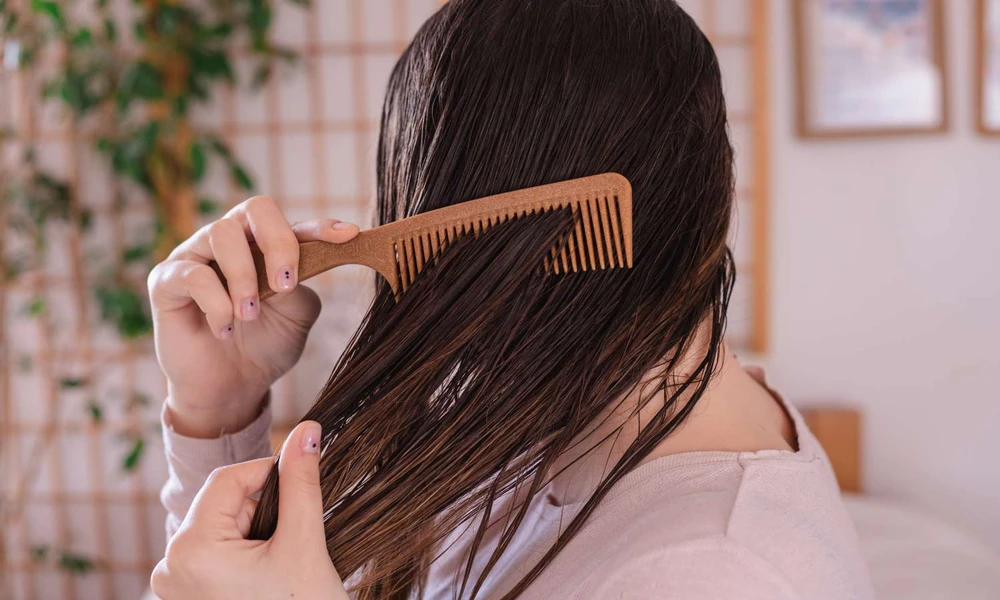
Frizz, flyaways, and stubborn curls rarely listen to what you want. Achieving that glossy, straight-out-of-the-salon hair at home can feel impossible, but it’s not reserved for professionals. Busting the myths that surround at-home hair straightening unlocks smooth, lasting results, without the usual pitfalls.
Myth 1: You Need Expensive Salon Products to Get Salon-Quality Straightening
It’s easy to believe the secret to sleek hair lies only in premium salon bottles. The reality is that while professional products often use advanced ingredients and science-backed formulas, there are accessible options that perform impressively, too.
Why Do Professional Products Make a Difference?
Salon-grade straightening systems are designed for effectiveness, safety, and durability. They blend cutting-edge chemistry with ingredients that protect and nourish, targeting the structure of each strand. This means less breakage and longer-lasting results compared to generic drugstore finds.
Affordable Alternatives That Deliver Results
You don’t have to empty your wallet for smooth hair. Many brands now offer professional technology in consumer-friendly lines. Look for products labeled “keratin-infused,” “formaldehyde-free,” or “multi-texture compatible.” Comparing ingredients and reading reviews can lead you to hidden gems that work for your hair and your budget.
Myth 2: Heat Is the Only Way to Achieve Long-Lasting Straight Hair
The sizzle of a flat iron might sound like progress, but heat isn’t the only route to sleekness. In fact, over-reliance on heat can sap your hair’s health.
Understanding Heat vs. Chemical Treatments
Heat styling changes hair temporarily, moisture is evaporated, and bonds are loosened, but one step in the rain and you’re back to square one. Chemical smoothing systems, on the other hand, alter hair’s internal structure for results that last weeks or months.
How Science Supports Safer, More Effective Methods
Newer systems use amino acids and protein-based formulas to gently reshape your hair. Unlike harsh relaxers from the past, modern options such as the ProAddiction hair straightening system allow for customization and minimize damage. Experts suggest these innovations combine safety, flexibility, and long-term results for various hair types.
Myth 3: At-Home Straightening Is Always Damaging to Hair Health
Fear of split ends, dryness, or irreversible damage can keep people glued to salon chairs. But the real culprit isn’t “at-home” so much as “improper technique.”
Common Causes of Damage and How to Avoid Them
Hair damage usually results from too-high heat, skipping heat protection, or using harsh chemicals incorrectly. Tools that are too old or poorly maintained can also cause uneven heating, leading to brittle strands.
Tips for Protecting Hair During the Straightening Process
– Always start with clean, dry hair.
– Apply a quality heat protectant or smoothing serum.
– Use a flat iron with adjustable temperature and choose the lowest effective heat.
– Section hair and move slowly to avoid repeated passes.
Myth 4: Straightening Works the Same for All Hair Types
Every head of hair is unique. What leaves one person silky smooth could leave another struggling with frizz.
Customizing Techniques for Different Textures
Fine hair may need less heat and lighter formulas, while coarser or curlier types benefit from richer, deeply penetrating treatments. Adjusting your approach ensures you get salon results without compromise.
Identifying Your Hair’s Unique Needs
Consider porosity, length, and history of chemical treatments. If your hair is fragile or heavily colored, opt for gentle straightening systems and extra hydration.
Myth 5: DIY Straightening Takes Hours and Is Too Complicated
Time is precious and nobody wants to spend half a day wrangling with their hair.
Streamlining Your Routine for Quick, Professional Results
Efficiency comes down to prep and organization. Having all your tools at hand, sectioning hair before you start, and working methodically cut down on fuss and frustration.
Step-by-Step Process for Salon-Quality Finish at Home
1. Wash and towel-dry your hair.
2. Apply a smoothing serum or treatment.
3. Blow dry with a round brush for initial smoothness.
4. Divide hair into workable sections.
5. Glide a flat iron over each section slowly, just once or twice.
6. Finish with a lightweight shine spray.
Myth 6: Once Straightened, Hair Requires Frequent Salon Visits to Maintain
The beauty of modern straightening is that maintenance routines have become simpler and less expensive.
How to Extend the Life of Your Straightened Hair at Home
– Sleep on a silk pillowcase.
– Avoid tight hair ties and excessive brushing.
– Use sulfate-free, hydrating shampoos and conditioners.
Effective Aftercare Practices to Keep Hair Sleek
Deep condition weekly, and touch up only when necessary. Protect hair from humidity and sun for maximum longevity.
Myth 7: Chemical Straightening Is Unsafe Without Professional Supervision
Concerns about safety are valid, especially with harsh chemicals. But advances in formulations and clear usage instructions have made at-home straightening far less risky.
Breaking Down Safety Myths with Evidence
Most modern systems are formaldehyde-free and tested for safety on a variety of hair types. Following the instructions and using recommended aftercare significantly reduces the chance of damage.
When Should You Consider Professional Help vs. At-Home Solutions?
If your hair is highly porous, has a history of breakage, or you’re unsure about the process, a professional consult is always wise. For most people, careful use of new-generation products delivers salon-sleek results from the comfort of their own bathroom.
The secret isn’t in the scenery of a salon or the price tag on a bottle, it’s in your approach, your products, and your willingness to rethink the myths. Achieve the hair you want on your own terms, knowing that salon quality is no longer out of reach.
