

Visitors to Buddhist temples often hear several words used for giving: dana, offerings and donations. They can seem interchangeable, especially when all three may involve placing something before a shrine or handing over money at a counter. In practice, they carry slightly different meanings and serve different purposes. Understanding these distinctions can help devotees and newcomers alike give with clearer intention, whether they are making a temple donation for the first time or supporting a long-standing practice.
Dana
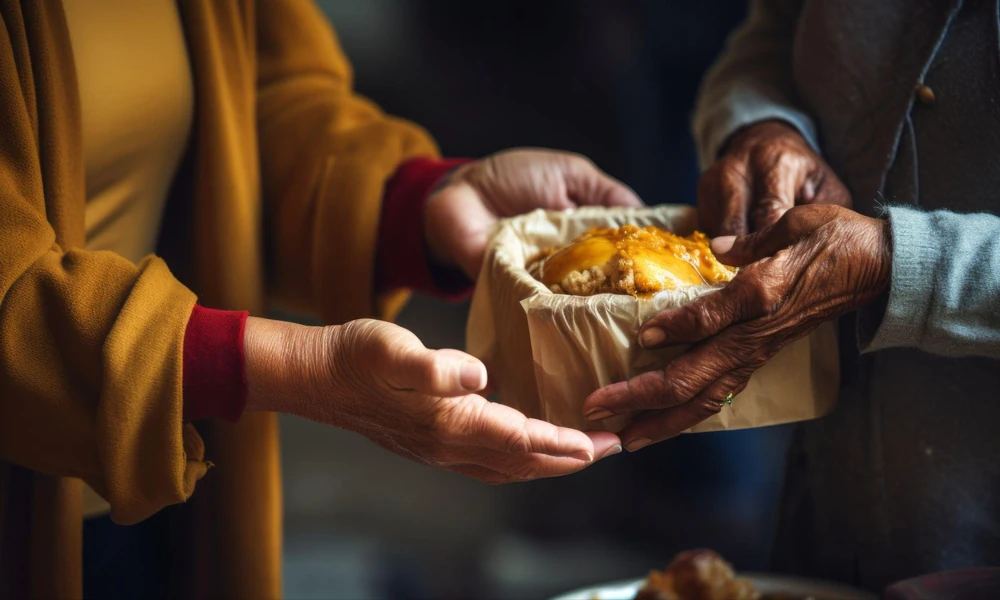
Dana is a Pali and Sanskrit word meaning generosity or giving. In Buddhist teachings, it is one of the most basic practices, regarded as a way to reduce attachment and cultivate a generous heart. Dana focuses less on the object given and more on the intention behind it.
Several features help define dana:
- It is often directed towards monks and nuns, who traditionally rely on lay supporters for food, robes, shelter and medicine.
- It can take many forms, including material gifts, sharing knowledge of the teachings and offering protection or reassurance to others.
- The giver’s state of mind, ideally free from expectation of return, is considered central to its value.
- In many traditions, it is seen as a source of merit that can be dedicated to others.
Offerings
Offerings are devotional acts made at a shrine as an expression of respect and gratitude towards the Buddha, the teachings and the community of practitioners. They are part of ritual practice rather than financial support.
Common characteristics of offerings include:
- Items such as flowers, incense, candles, water, fruit or food placed before Buddha images.
- Symbolic meanings, such as flowers representing impermanence and light representing wisdom.
- A focus on devotion and mindfulness during the act itself.
- Practices vary between traditions and temples, so volunteers often guide visitors.
General Temple Contributions
General contributions are monetary donations given to the temple as an organisation, whether in person or as an online donation to temples through their websites. These funds help cover electricity, maintenance, staff, religious programmes, community welfare and education activities.
Key aspects of general contributions include:
- Donors may give unrestricted funds or designate them for specific purposes, such as a building fund or welfare programme.
- Receipts are usually issued, and contributions to registered charities may qualify for tax deductions.
- Many temples now allow donors giving digitally to select a purpose and receive an automatic record of their gift.
- Annual reports or financial statements may show how these funds are used, and some temples share regular updates on funded projects.
Comparing the Three Forms of Giving
The table below highlights how these forms of giving differ in focus and practice.
| Aspect | Dana | Offerings | General Contributions |
| Primary focus | Cultivating generosity | Expressing devotion and respect | Supporting the temple’s operations and programmes |
| Typical recipient | Monks, nuns or others in need | The shrine, Buddha images or relics | The temple as an organisation |
| Common forms | Food, robes, medicine, money or teaching | Flowers, incense, light, water and food | Money, given in person or digitally |
| Record kept | Rarely formal | Usually none | Receipts and financial records |
Where Intention Brings Them Together
These categories often overlap in daily temple life. Sponsoring a meal for resident monks is a form of dana, yet it may be arranged through a contribution at the temple office. Flowers placed on a shrine are an offering, but the act also reflects a generous spirit. What links all three is intention. A sincere gift, whatever its form, is generally regarded as more meaningful than its size.
Giving With a Clear Heart
Knowing the difference between these forms of giving does not change their value. It simply helps each person choose the way of giving that best reflects their wishes, whether that is supporting monastics, honouring the Buddha or sustaining a community space for others to learn and practise.
Contact Thekchen Choling Singapore to learn about ways to offer dana or support our programmes.
