

Key Takeaways
- Family members are responsible for many practical and ceremonial aspects of a Christian funeral.
- Friends provide emotional support and assist with funeral preparations before, during, and after the service.
- Church communities offer spiritual guidance, pastoral care, and assistance throughout the bereavement process.
- Christian funeral services often involve close coordination between families, churches, and funeral professionals.
- Reliable funeral parlour services help ensure funeral arrangements run smoothly while respecting Christian traditions.
Introduction
Planning Christian funeral services in Singapore involves more than arranging a venue and ceremony. A Christian funeral is a collective effort where family members, friends, church leaders, and funeral professionals each have distinct responsibilities. Every group contributes to honouring the deceased while providing practical and emotional support to the bereaved. Understanding these roles helps families prepare for the funeral process and ensures that important religious customs are carried out in an organised and respectful manner.
The Family’s Responsibility in Funeral Planning
Family members are usually responsible for making the primary decisions regarding funeral arrangements. These include selecting the funeral package, confirming the wake venue, arranging the funeral schedule, coordinating with church representatives, and making decisions about burial or cremation. They also prepare photographs, select hymns or Bible readings where appropriate, and communicate funeral details to relatives and friends. Depending on the family’s preferences and church traditions, close relatives may also participate in scripture readings, deliver eulogies, or assist during the funeral service. During this period, family members often work closely with funeral professionals to manage documentation, transportation, scheduling, and other logistical matters, allowing them to focus on spending meaningful time together while fulfilling their responsibilities.
The Support Provided by Friends
Friends play an important role throughout the funeral period by offering practical assistance and emotional encouragement. Many help by informing extended social circles about the funeral arrangements, preparing meals for grieving family members, assisting with visitor management during the wake, or helping with transportation when required. Others may volunteer to manage guest registration, organise floral tributes, or assist elderly attendees throughout the service. Emotional support is equally valuable, as grieving families often appreciate the presence of trusted friends who can provide comfort through conversation and companionship. Their participation reflects the sense of community that is often present during Christian funerals and helps reduce the burden on immediate family members during a difficult time.
The Church Community’s Spiritual Guidance
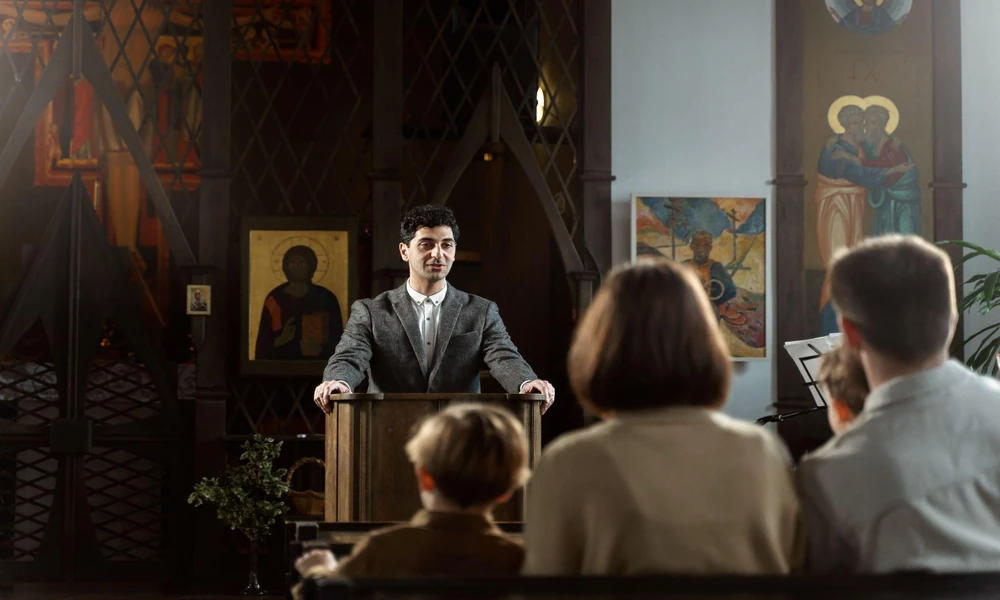
The church community provides the spiritual foundation of a Christian funeral. Pastors, ministers, and church leaders guide families through religious traditions, explain the order of service, and ensure that the ceremony reflects Christian beliefs and practices. They conduct prayers, deliver sermons, lead congregational hymns, and offer messages of hope based on scripture. Church members frequently volunteer in various capacities, including organising worship music, welcoming attendees, preparing printed service materials, or supporting funeral receptions where applicable. Many churches also continue offering pastoral care after the funeral by visiting bereaved families, conducting follow-up prayers, or providing counselling and fellowship opportunities. This continued support helps families adjust after the funeral has concluded rather than limiting assistance to the day of the service alone.
How Funeral Professionals Coordinate Every Group
Professional funeral parlour services play a central role in coordinating the various individuals involved throughout the funeral process. Funeral directors manage schedules, oversee venue preparation, arrange transportation, coordinate with churches, and ensure that ceremonies proceed according to the family’s wishes. They also help organise viewing arrangements, seating layouts, audiovisual equipment, floral displays, obituary notices, and necessary administrative requirements. By acting as the central coordinator, funeral professionals minimise confusion between family members, church representatives, and external service providers. Their experience allows each participant to concentrate on their respective responsibilities without being distracted by operational details that require careful planning and execution.
Working Together to Honour the Deceased
A Christian funeral functions most effectively when families, friends, church communities, and funeral professionals work together with clear communication and mutual understanding. Each group contributes something different, whether practical organisation, emotional encouragement, spiritual guidance, or logistical coordination. This collaboration creates a respectful environment that allows mourners to gather, remember the deceased, and support one another throughout the funeral period. When responsibilities are shared appropriately, families can focus less on managing numerous arrangements and more on commemorating the life of their loved one while participating fully in the funeral service.
Conclusion
The success of a Christian funeral depends on cooperation between many individuals rather than the efforts of a single group. Families make important decisions, friends provide practical and emotional assistance, church communities offer spiritual leadership, and funeral parlour services coordinate the many operational aspects of the funeral. Together, these contributions ensure that Christian funeral traditions are observed respectfully while providing meaningful support to those experiencing loss.
Contact Casket FairPrice and discover comprehensive funeral parlour services tailored to your family’s needs and religious practices.
