

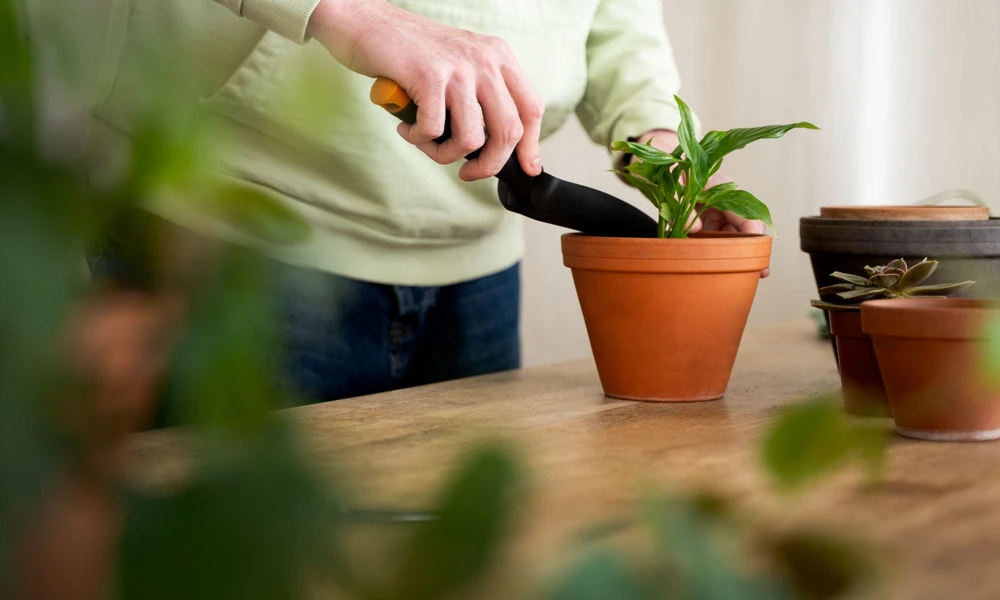
Transforming a compact Housing & Development Board (HDB) balcony into a green oasis brings daily joy, vibrant foliage, and fresh herbs right to your doorstep. You bring home thriving potted herbs and leafy greens from the nursery, set them on your sill, and water them diligently every morning. Yet, within a couple of weeks, yellowing foliage, stagnant soil, and fungus gnats often derail your horticultural ambitions. Many balcony growers blame their watering habits or assume they lack green fingers. In reality, the culprit sits right beneath the plant stem: poor growing media. High-rise balcony environments present microclimates with intense tropical heat, sudden monsoons, and limited air circulation. Sourcing the right potting soil in Singapore requires a clear understanding of aeration, moisture control, and soil weight limits. Selecting proper soil mixes early ensures your urban plants establish resilient roots and produce abundant growth throughout the year.
Beyond the Bag: Why Garden Soil Fails in High-Rise Containers
Ordinary garden soil or heavy red clay from outdoor plots instantly suffocates container-bound root systems.
Natural garden earth relies on worms, deep ground channels, and expansive drainage networks to maintain breathability. When you pack dense soil into plastic balcony pots, daily watering compacts the fine particles into an impermeable, cement-like block. The root zone starves of oxygen, trapping stagnant water around delicate root hairs and triggering destructive fungal root rot. Balcony horticulture demands soilless potting substrates specifically engineered to remain loose and porous. When browsing local garden centres and online nurseries for potting soil for sale, inspect the bag’s component breakdown rather than relying on generic “all-purpose” labels. Quality substrates use coarse organic matter, structured fibres, and volcanic minerals to maintain vital airflow inside confined containers.
The Microclimate Matrix: Tailoring Substrates to Balcony Conditions
Matching your growing medium to your flat’s specific exposure prevents waterlogging during monsoon squalls and dehydration on sweltering afternoons.
| Balcony Environment | Primary Challenge | Ideal Mix Characteristics |
| Wind-Swept High Floor | Rapid moisture evaporation and dry drafts | Higher coco peat and compost ratio to retain moisture without crusting. |
| Sheltered North-Facing | Low light levels and slow evaporation | High perlite, pumice, and bark content to maximise air exchange and dry times. |
| Sunny West-Facing | Intense afternoon heat and root baking | Moisture-retentive peat mixed with coarse grit to maintain thermal stability. |
| Open Railing Planters | Torrential tropical downpours | High-drainage volcanic pumice and coarse chips to shed heavy rainwater quickly. |
Evaluating these microclimate factors ensures your growing medium supports balanced root transpiration regardless of unpredictable weather shifts.
The Holy Trinity: Aeration, Drainage, and Moisture Retention
A dependable potting mix balances two conflicting physical properties: holding adequate moisture while allowing excess water to escape freely.
Peat moss and processed coconut coir serve as excellent moisture retainers, absorbing water and feeding it slowly to root systems. However, moisture without structure quickly leads to anaerobic bacterial growth. Premium potting soil in Singapore incorporates inorganic amendments such as perlite, pumice, and coarse vermiculite. These rough, porous minerals create permanent pockets for gas exchange, ensuring roots breathe even after a tropical storm. Incorporating coarse pine bark chips or rice husks prevents fine particles from settling at the base of your planter, keeping drainage holes completely clear of sludge.
Weight and Nutrition: Keeping Balcony Planters Safe and Fed
Weight considerations play a critical structural role when stocking elevated balcony ledges and suspended railing boxes.
Wet, dense soils become heavy, putting unnecessary strain on balcony brackets and making routine pot rearranging difficult. Choosing lightweight media based on peat, coco coir, and perlite keeps container loads manageable. Furthermore, soilless mixes hold few inherent nutrients, meaning you must feed your plants steadily. Look for bagged potting soil for sale that includes slow-release organic compost, biochar, or earthworm castings. These natural amendments supply sustained microbial activity and essential trace elements, feeding your vegetables and tropical ornamentals without chemical burning.
Cultivating Success: Final Thoughts on Balcony Soil
Creating a thriving HDB balcony garden starts with selecting the right soil foundation. By avoiding dense garden earth, choosing aerated soilless mixes with pumice and perlite, and matching drainage rates to your flat’s microclimate, you safeguard your plants against root rot and dehydration. Investing in proper growing media today ensures your balcony jungle flourishes with lush leaves and rewarding harvests all year round.
Frequently Asked Questions
Can I reuse old potting soil from dead plants for my new balcony pots?
You can reuse old mix if you remove dead roots, pasteurise the soil under hot sun or boiling water to kill pathogens, and blend in fresh compost and perlite to restore texture.
Why does the soil in my HDB balcony pots stay wet for days?
Low light, limited breeze, or soil lacking coarse aerating materials like perlite causes moisture to linger, creating an anaerobic environment that invites root rot.
How often should balcony gardeners fertilise plants growing in soilless mixes?
Because soilless mixes drain nutrients quickly, apply balanced slow-release fertiliser pellets every two months, complemented by diluted liquid seaweed feed every two weeks.
Nurture your urban greenery with nutrient-rich substrates, handcrafted planters, and botanically curated soil mixes designed for city living. Visit Arbour today to discover growing media that help your balcony garden flourish!
