

You go in expecting a quick polish, a rinse, and maybe a reminder to floss more. Then the appointment takes longer, the hygienist measures your gums, the dentist comes in for a closer look, or you hear terms you did not expect. That can feel frustrating, especially if you thought you were there for a basic cleaning. You are not overreacting. A dental visit often includes more than polishing because your mouth can show early signs of problems long before you feel pain, and in some cases, discussions may even touch on treatments such as dental implants North York.
A routine cleaning is not just about making teeth look smooth and bright. It is also a chance to remove buildup, check for gum disease, spot decay, and catch changes in your mouth before they turn into bigger treatment needs. That is why Why A Dental Cleaning May Include More Than Polishing comes down to one simple point. Cleaning and checking usually happen together because prevention works best when nothing is missed.
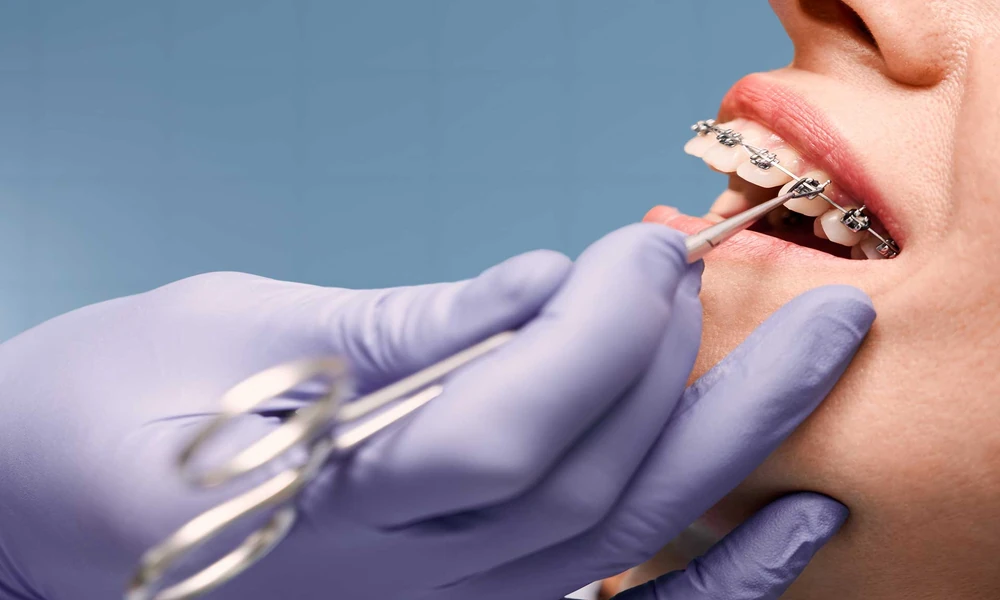
Dental cleaning visits often include an exam, gum checks, and plaque removal
Polishing is the part many people remember because it feels obvious. Your teeth feel cleaner right away. Under the surface, though, there is more going on. A family dentist or hygienist may remove plaque and tartar from areas a toothbrush cannot fully reach, especially near the gumline and between teeth. If tartar stays there, it can irritate the gums and lead to bleeding, swelling, and bone loss over time.
That is where the rest of the appointment matters. Gum measurements can show whether the tissue around your teeth is healthy or starting to pull away. A visual exam can reveal cracked fillings, cavities, worn enamel, or sores that need watching. According to MedlinePlus information about dental exams, a dental exam may include checking the teeth, gums, tongue, throat, and supporting structures, along with X-rays when needed. That is a lot more than shine.
You might also hear that you need more than a standard cleaning. That does not always mean something severe is happening. It may mean the team found signs of gum disease, heavy tartar below the gumline, or inflammation that needs a deeper approach. A professional teeth cleaning is preventive care. A deeper periodontal cleaning is treatment. The difference matters because they serve different needs.
Skipping the extra steps can leave the real problem in place
If a visit focused only on polishing, it could make your teeth feel clean while leaving the reason for bleeding gums or bad breath untouched. That is the part many people do not see. Plaque hardens into tartar, tartar traps bacteria, and bacteria irritate the gums. You may not notice much at first beyond tenderness when brushing. Then the gums pull back, pockets deepen, and chewing can become uncomfortable.
There is also the cost side of this. A short, simple visit feels easier on your schedule and wallet, but untreated gum disease and decay usually cost more later. A tiny cavity can become a filling, then a crown, then a root canal if it keeps progressing. Mild gingivitis can become periodontitis if bacteria are left under the gums. A dental cleaning is one of the least invasive ways to lower those risks.
Even people who brush and floss every day can need more than polishing. Crowded teeth, dry mouth, old dental work, smoking, certain medications, and grinding can all change what your mouth needs. That is why one person leaves with a quick polish and fluoride, while another needs X-rays, pocket measurements, or a deeper cleaning plan.
A basic cleaning and a deeper cleaning serve different purposes
| Service | What It Usually Includes | Who It Is For | Main Goal |
|---|---|---|---|
| Routine dental cleaning | Plaque removal above the gums, tartar removal in accessible areas, polishing, flossing, exam | People with generally healthy gums or mild gingivitis | Prevent buildup and catch early problems |
| Deep cleaning | Scaling below the gumline, root planing, targeted treatment for infected pockets, follow up care | People with gum disease and deeper periodontal pockets | Control infection and protect bone and gum support |
| Polishing alone | Surface stain smoothing and shine | Cosmetic finishing step, not stand alone care | Improve feel and appearance of teeth |
This is why a cleaning appointment may feel more involved than expected. Polishing is only one piece. The larger goal is to keep your teeth stable, your gums healthy, and small issues from becoming painful ones. MedlinePlus explains how to care for your teeth and gums, including brushing, flossing, and regular dental visits, because home care and professional care work together.
Small findings at a cleaning can explain the symptoms you have been ignoring
Maybe your gums bleed only in one spot, or one tooth always traps food, or your breath seems off by midday no matter what you do. Those details matter. They can point to tartar buildup, a failing filling, gum inflammation, or a bite issue that wears down enamel. During a family dentist visit, these clues often shape what happens beyond polishing.
That can be hard to hear when you came in expecting a simple appointment. Still, catching a problem early is usually the best version of the news. You have more options, less invasive treatment, and a better chance of avoiding pain. A cleaning that includes exam steps, gum checks, and tailored recommendations is doing the job it is supposed to do.
Three steps to make your next cleaning easier and more useful
1. Mention what has changed. Say if your gums bleed, your mouth feels dry, your teeth are sensitive, or you have bad breath that keeps coming back. These details help the dental team look in the right places.
2. Ask what type of cleaning you are receiving. If the visit includes more than polishing, ask whether it is a routine cleaning, periodontal maintenance, or deep cleaning. Clear words help you understand the reason, the cost, and what comes next.
3. Follow the home care plan you are given. If you are told to floss around one crown more carefully, use a fluoride rinse, or come back sooner than six months, that advice is usually tied to something specific found during the visit.
If your next appointment includes more than a polish, that does not mean anything went wrong. It often means your dental team is paying attention before a small issue turns into a larger one. A good family dentist aims for more than clean, shiny teeth. The goal is a healthy mouth that stays that way. If it has been a while since your last visit, schedule a cleaning and exam and get clear answers about what your teeth and gums need now.
