

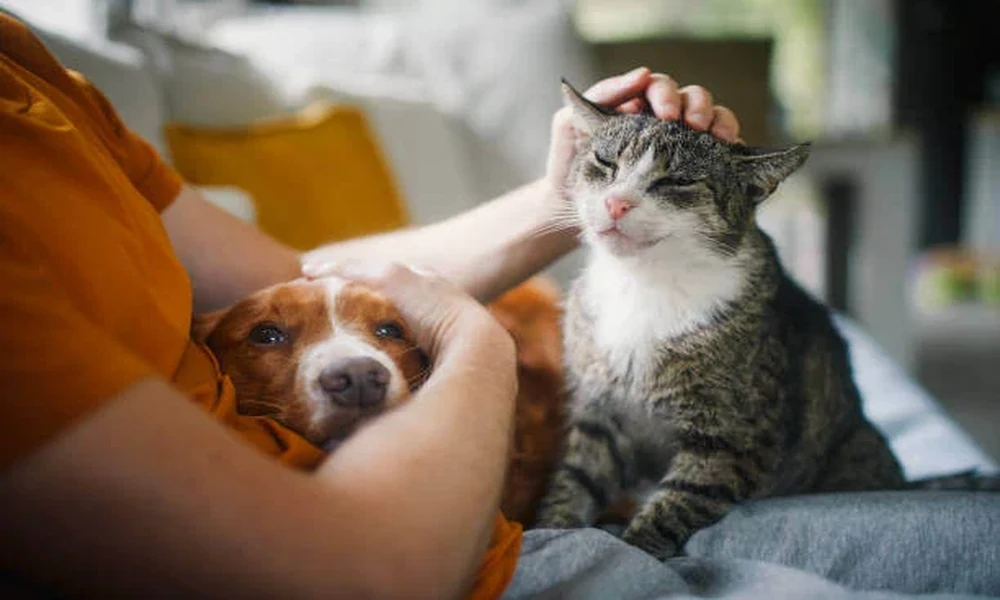
You notice the small things first. Your pet pulls away from a chew toy they used to love, their breath gets harder to ignore, they drop kibble on the floor, or they seem a little quieter at mealtime. It does not always look like an emergency, which is exactly why dental problems so often build in the background. Many pets keep eating and acting fairly normal even when their mouths hurt. At an animal clinic in High River, AB, these subtle signs can help catch dental issues before they become more serious.
That is the hard part. You want to do right by your pet, but dental care can feel easy to postpone when life is busy, and your dog or cat is still wagging, purring, and asking for dinner. The truth is simple. Pet dental care is not cosmetic. It is part of whole-body health, and ignoring it can lead to pain, infection, tooth loss, and stress on other organs.
Routine dental care from a general veterinarian helps catch disease early, ease discomfort, and lower the chance of bigger problems later. According to Texas A&M Veterinary Medicine, dental disease is one of the most common health issues seen in pets, and it can affect far more than the mouth.
Dental disease in pets spreads beyond the teeth and gums
Plaque does not stay harmless for long. It hardens into tartar, bacteria settle under the gumline, and inflammation starts doing damage you often cannot see. A pet may have red gums, bad breath, drooling, loose teeth, facial swelling, or trouble chewing. Some show none of those signs until the disease is advanced.
That hidden progression is why veterinary dental health matters so much. Oral bacteria and chronic inflammation can enter the bloodstream and put strain on the heart, liver, and kidneys. Pain changes behavior too. A friendly dog may become irritable when touched near the face. A cat may stop grooming or begin hiding more. Owners sometimes think their pet is aging or getting picky when the real issue is a sore mouth.
The University of Georgia College of Veterinary Medicine explains that regular exams and professional cleanings help find periodontal disease before it causes deeper tissue and bone loss. Once bone support around a tooth is gone, that damage cannot simply be brushed away at home.
Delaying pet oral health care often costs more in the long run
Dental problems tend to follow a familiar path. A little tartar becomes gum disease. Gum disease becomes loose or infected teeth. Then your pet needs extractions, pain medication, antibiotics, dental X-rays, and a longer procedure under anesthesia. That is harder on your pet and often harder on your budget.
You may also be weighing the fear of anesthesia. That concern is real, especially if your pet is older. Dental procedures in a veterinary setting are planned around that risk, with exams, monitoring, and recommendations based on your pet’s health. Skipping care does not remove risk. It shifts the risk toward untreated pain and worsening infection.
Newer research and clinical guidance continue to stress prevention. Rowan’s discussion of pet dental health and veterinary dentistry highlights how oral disease affects comfort, eating, and overall wellness, reinforcing what many veterinarians see every day in practice.
Home dental care and professional veterinary care work best together
Brushing your pet’s teeth helps. Dental chews may help. Water additives and approved diets can support oral hygiene. None of those replace a veterinary exam, and none can clean below the gumline the way a professional dental procedure can. Home care slows buildup. Professional care diagnoses disease.
That difference matters because a mouth can look better on the surface than it actually is. A dog with brown tartar on visible teeth may also have pockets of infection under the gums. A cat with mild bad breath may already have painful inflammation. General veterinarian visits connect the daily habits at home with the medical care your pet may need.
| Approach | What It Helps With | What It Cannot Do |
|---|---|---|
| At home brushing | Reduces plaque, freshens breath, supports gum health when done consistently | Cannot remove hardened tartar or diagnose disease below the gumline |
| Dental chews and approved diets | May slow plaque buildup and support daily oral hygiene | Cannot replace a cleaning or treat infected teeth |
| Routine veterinary oral exam | Finds early signs of gingivitis, broken teeth, pain, masses, and infection | Cannot fully assess hidden disease without further dental work when needed |
| Professional dental cleaning with a veterinarian | Removes tartar above and below the gumline, allows dental X-rays and treatment planning | Does not prevent future buildup without follow-up home care |
Small signs of dental pain in pets are easy to miss
Many owners expect obvious crying or refusal to eat. Pets rarely make it that clear. They adapt. They chew on one side, swallow food whole, avoid hard treats, paw at the mouth, or simply become less playful. Cats are especially skilled at masking discomfort. By the time a pet stops eating, the pain may be severe.
This is why animal dental care deserves the same attention as vaccines, parasite prevention, and wellness exams. The mouth is part of the body, not a separate issue to deal with later.
Three steps you can take now to protect your pet’s oral health
1. Look for behavior changes around the mouth. Check for bad breath, red gums, drooling, dropping food, reluctance to chew, pawing at the face, or changes in mood. If your pet suddenly resists having their head touched, do not assume it is just a quirk.
2. Start a simple home routine you can keep. If brushing every day feels unrealistic, begin with a few times a week using pet-safe toothpaste and a soft brush or finger brush. Consistency matters more than perfection. Human toothpaste should never be used for pets.
3. Schedule a dental check with a general veterinarian. A routine exam can tell you whether your pet needs preventive guidance, monitoring, or a professional cleaning. Getting clear answers early is usually easier than dealing with advanced dental disease later.
Your pet does not get to say, “My tooth hurts.” They show you in smaller ways, and those signs are easy to second-guess. If you have been putting off dental care because you were unsure, worried about cost, or hoping it could wait, you are not alone. Acting now can spare your pet pain and help protect their overall health. Schedule a dental evaluation with a general veterinarian and get a clear picture of what your pet needs next.
