

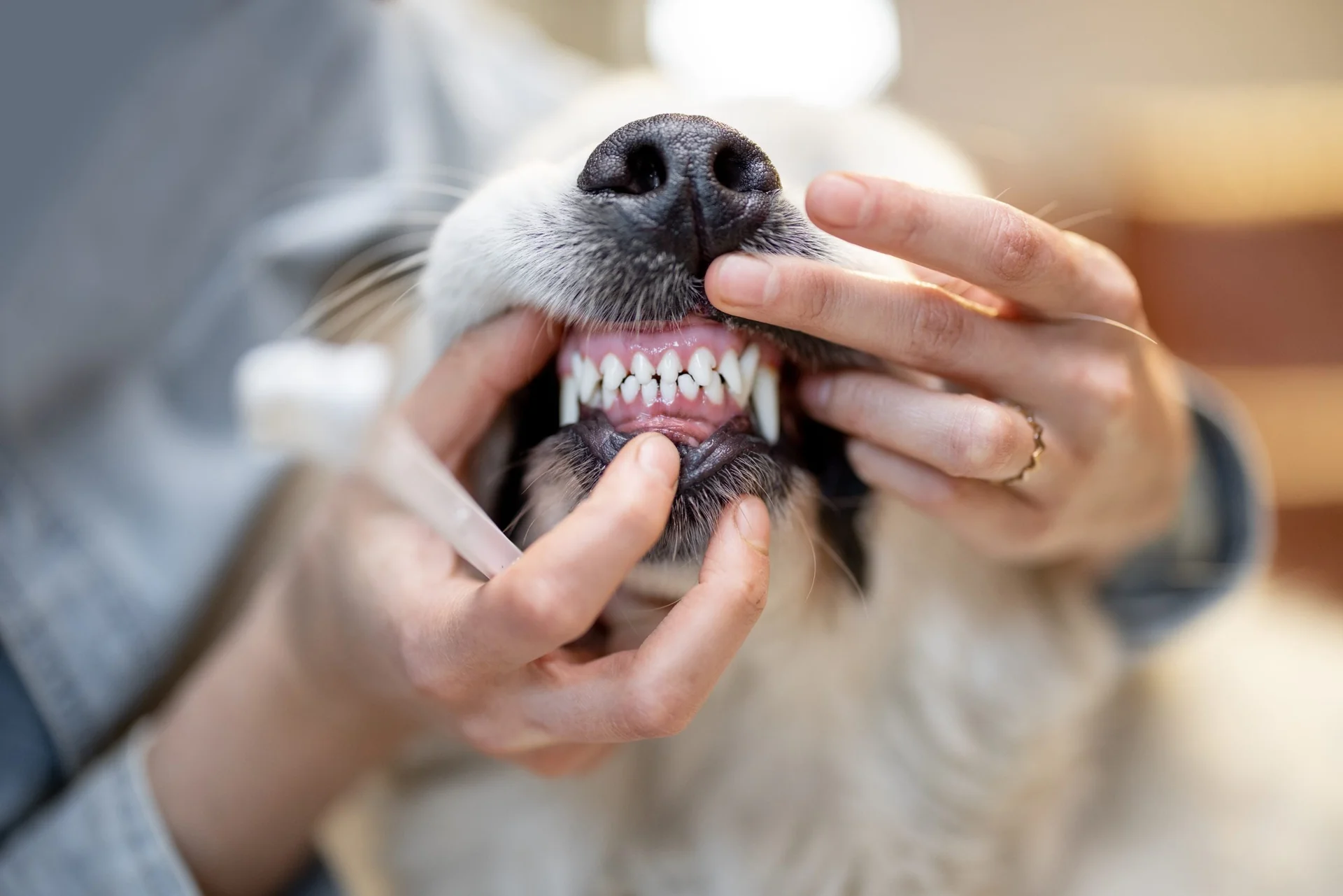
It usually starts small. Your dog leans in for a cuddle, opens their mouth, and the smell hits you harder than it used to. You may laugh it off, blame the last treat they ate, or assume “dog breath” is just part of life with a pet. A lot of owners do that, especially when their dog is still eating, playing, and acting like nothing is wrong. If the odor lingers or worsens, it may be time to talk to a veterinarian in Chicago Heights, IL.
That is the hard part. Dental disease in dogs often hides in plain sight. Bad breath is not just unpleasant. It is often one of the first signs that bacteria, plaque, and gum inflammation are building below the surface. By the time a dog stops chewing toys, drops food, paws at the mouth, or seems quieter than usual, the problem may already be painful.
Dog bad breath causes are often tied to dental disease, not a harmless quirk. The good news is that early care can prevent pain, tooth loss, and bigger health issues. If your dog’s breath has changed, your next step is not to cover the smell. It is to find out why it is there.
Dog bad breath usually points to dental disease
Most bad breath in dogs comes from periodontal disease, which affects the gums and structures that hold the teeth in place. Food debris and bacteria form plaque. Plaque hardens into tartar. The gums become irritated, then infected. Over time, the damage moves below the gumline where you cannot see it.
According to Cornell’s guidance on periodontal disease in dogs, this process can lead to gum recession, loose teeth, oral pain, and infection. A dog may still wag, eat, and greet you at the door while all of this is happening.
You may be thinking your dog eats dry food, chews bones, or gets dental treats, so their mouth should be fine. Those things can help a little, but they do not replace a real oral exam. The trouble sits under the gumline, and home care cannot remove hardened tartar once it forms.
This is why dog dental disease gets missed so often. Owners see normal behavior and assume normal health. Dogs are good at hiding pain. They do it with sore joints, upset stomachs, and dental problems too.
The smell is only one part of the problem
Bad breath is what you notice first. Your dog notices the pain first. Infected gums can make chewing uncomfortable. A cracked or loose tooth can hurt every time food hits it. Some dogs start eating on one side. Some swallow kibble whole. Some become less interested in hard treats but still beg for soft food, which makes it easy to miss.
There is also the cost of waiting. A mild buildup caught early may need a routine cleaning and home care plan. A mouth full of advanced disease can mean extractions, dental X rays, medication, and a longer procedure. Financially, delay often costs more. Physically, your dog pays for that delay with pain.
The USDA APHIS handout on canine periodontal disease explains that bacteria from dental disease can also affect more than the mouth. That does not mean every case turns into a major illness, but it does mean oral health is connected to overall health in ways many owners do not expect.
Home care helps, but it does not replace professional dental treatment
A lot of owners try to solve the smell first. Water additives, breath sprays, minty chews, and freshening treats are easy to buy and easy to hope for. They may mask odor for a while. They do not remove disease under the gums.
Cornell’s advice on dental disease and home dental care makes the distinction clear. Brushing is the best at home tool for slowing plaque buildup, but even good brushing is maintenance. It works best after your dog has had a proper exam and, when needed, a professional cleaning.
| Approach | What it can do | What it cannot do |
|---|---|---|
| Brushing at home | Reduces plaque buildup and helps maintain cleaner teeth | Cannot remove tartar below the gumline |
| Dental chews and approved products | May reduce surface buildup and support daily care | Cannot diagnose pain, infection, or loose teeth |
| Breath fresheners and water additives | May improve odor temporarily | Do not treat periodontal disease |
| Professional veterinary dental cleaning | Cleans above and below the gumline, allows exam and treatment | Does not replace ongoing home care afterward |
What you can do right now for your dog’s oral health
1. Check for pattern changes, not just smell. Look at how your dog eats, chews, yawns, and plays. Watch for drooling, pawing at the mouth, bleeding gums, brown tartar, or a sudden dislike of hard treats. These details help your veterinary team judge how urgent the issue may be.
2. Schedule a dental exam at an animal hospital. A proper exam is the fastest way to tell the difference between mild buildup and painful disease. If your dog needs treatment, you will know what is happening before it gets worse. If the problem is still early, that is the best time to act.
3. Start a realistic home care routine. Once your veterinarian tells you what your dog’s mouth needs, begin with brushing a few times a week and build up. Use a dog safe toothpaste, keep sessions short, and aim for consistency over perfection. Bad breath in dogs often improves when the real cause is treated and daily care becomes routine.
Your dog does not have to live with painful dental disease
You are not overreacting by paying attention to bad breath. You are noticing one of the clearest warning signs that something may be wrong. A dog who seems fine can still have a sore mouth, infected gums, or damaged teeth, and waiting for obvious symptoms usually means the disease has had more time to spread.
If your dog’s breath has changed, take the next step and have their mouth checked at an animal hospital. Early dental care protects comfort, health, and quality of life, and it often makes treatment simpler than owners expect.
