

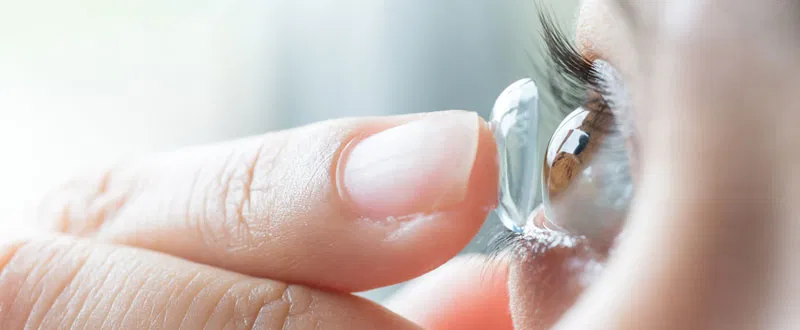
For millions of people across India, transitioning from traditional spectacles to contact lenses offers a profound sense of visual freedom and convenience. Among the various modalities available in the market, yearly disposable contact lenses with power remain a highly popular and cost-effective choice. These lenses provide consistent vision correction over twelve months, making them an excellent investment for individuals looking to balance a budget with reliable daily performance.
However, because these long-duration lenses are designed to stay in active use for an entire year, they demand a rigorous care routine. Unlike daily or monthly alternatives, a single mistake in handling or hygiene can compromise your eye health. To maintain crystal-clear sight and prevent complications, users must recognise and avoid specific, critical errors that frequently disrupt the annual lens experience.
1. Overextending the Wear Cycle Past Twelve Months
One of the most frequent errors made by lens wearers in India is continuing to use their Yearly Disposable Contact Lenses with Power beyond the recommended 365-day replacement period. Because high-quality lenses often feel comfortable even after prolonged use, it can be tempting to delay replacing them.
- Microscopic Protein Buildup: Over months of daily wear, tear proteins, lipids, and environmental dust form a stubborn film on the lens material that regular solutions cannot completely dissolve.
- Reduced Oxygen Permeability: As the lens material ages, it loses its structural integrity and limits the amount of oxygen reaching your cornea, leading to dry eyes and redness.
- Micro-tears and Scratches: Over time, subtle, invisible physical degradation occurs on the lens surface, which can cause subtle irritation or even scratch the delicate surface of the cornea.
2. Inadequate Disinfection and Solution Re-use
Using an old solution or simply topping up the liquid inside your lens case is a shortcut that invites serious ocular infections. Annual lenses require an uncompromising approach to chemical disinfection every single night.
- The Topping-Up Trap: Adding fresh solution to old, used liquid dilutes the active disinfecting agents, leaving an environment where bacteria can easily multiply.
- Saline and Tap Water Hazards: Homemade saline solutions or tap water should never touch your lenses, as they carry dangerous microorganisms like Acanthamoeba that can cause permanent vision damage.
- Neglecting the Storage Case: Lens cases themselves must be washed with fresh solution, air-dried daily, and completely replaced every two to three months to stop biofilm formation.
3. Sleeping While Wearing Long-Duration Lenses
Unless specifically cleared by an eye care professional for extended night wear, corneal health relies heavily on the eyes being exposed to open air during sleep. Closing your eyelids over an annual lens drastically lowers oxygen levels.
When you sleep in your lenses, the cornea swells slightly due to the lack of oxygen, a condition known as hypoxia. This environment weakens the eye’s natural defence barriers, making it significantly easier for bacteria to penetrate the tissue. For those who frequently travel or enjoy tech-integrated lifestyle products, keeping eye drops handy is essential. Interestingly, as smart wearables evolve, many tech enthusiasts who browse for advanced gear like Oakley Meta glasses online are also paying closer attention to baseline eye health, ensuring their vision remains sharp enough to enjoy next-generation optical displays.
4. Mismanaging Environmental Exposure and Water Contact
Exposing your lenses to non-sterile water sources during daily activities is an understated risk that many individuals overlook during the hot summer months or monsoon seasons.
- Showering and Swimming Risks: Pool water, hot tubs, and shower streams contain chlorine and microbes that can easily bind to the porous lens matrix, causing the lens to warp or trap pathogens against the eye.
- Heavy Makeup and Cosmetic Contamination: Applying eye shadows, liners, or heavy creams before inserting your lenses can trap oils underneath the lens, causing blurry vision and stubborn surface smudges.
- Handling with Damp Hands: Always dry your hands thoroughly with a lint-free towel after washing them, ensuring no tap water contaminants are transferred directly to the eye during insertion.
5. Ignoring Early Warning Signs and Skipping Check-ups
Many lens wearers operate under the assumption that if there is no intense pain, there is no problem. This reactive mindset can prevent the early detection of minor corneal changes.
Consistently wearing yearly disposable contact lenses with power requires regular validation from an optometrist. Minor corneal formatting changes or slight modifications in your prescription power can happen quietly over a year. If an individual experiences persistent redness, light sensitivity, or a gritty sensation, the lenses must be removed immediately. Taking proactive breaks and exploring alternative eyewear solutions can keep your vision versatile and protected over the long haul.
A Forward-Looking Approach to Optimal Eye Care
Preserving long-term ocular health requires a balanced blend of disciplined daily habits, precise hygiene practices, and a willingness to invest in premium optical products. By avoiding the common pitfalls of over-wearing, improper cleaning, and water contamination, individuals can fully enjoy the crisp, seamless vision that annual contact lenses are engineered to deliver. Prioritising correct lens maintenance ensures that your eyes stay vibrant, comfortable, and ready to engage with the world every single day.
