

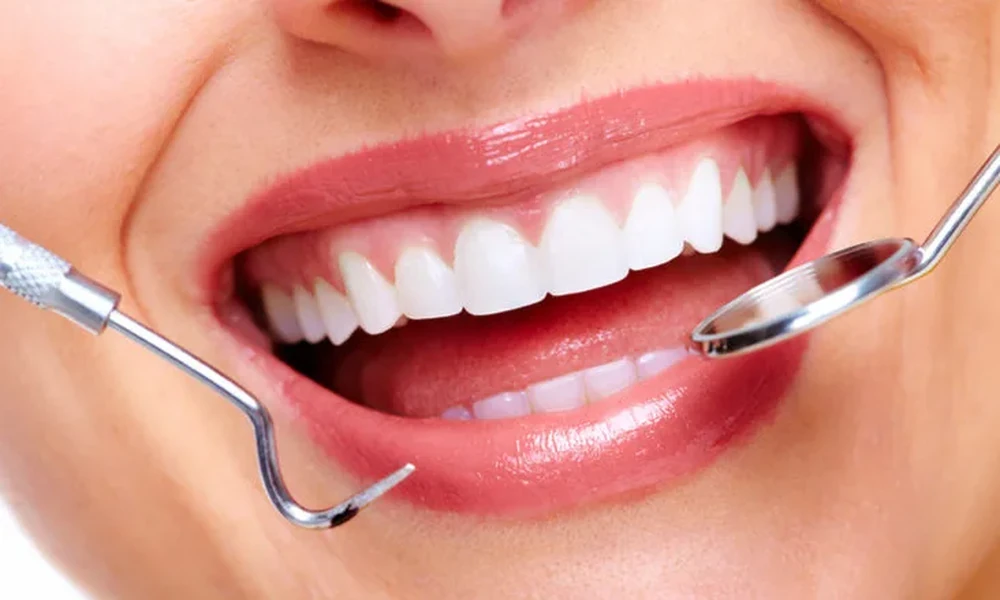
You may have started by noticing your teeth in photos, then your attention drifted to your smile line, your profile, or the way your lips sit when your face is at rest. That is common. Most people do not separate their teeth from the rest of their face, because the face does not work that way. An orthodontist in San Jose can help evaluate how alignment, bite, jaw position, and soft tissue support all affect how your features look together.
How orthodontics plays a role in overall facial aesthetics comes down to structure. An orthodontist does more than straighten teeth for a nicer smile. Treatment can influence facial balance, lip support, symmetry, and the way your upper and lower jaws relate to each other. When the bite is off, the face can look strained, recessed, crowded, or uneven. When the bite is corrected with care, the whole face often looks more relaxed and proportionate.
That does not mean orthodontic treatment changes who you are. It means it can bring your natural features into better alignment. For many people, that matters just as much as having straighter teeth.
Orthodontic treatment affects more than tooth alignment
Your teeth support your lips and cheeks. Your bite influences how your jaw sits. Your jaw position shapes your profile. These pieces are connected, which is why orthodontics and facial appearance are closely linked.
If your upper teeth sit too far forward, your lips may not close easily at rest. If your lower jaw sits back, your chin can appear less defined even if the chin itself is normal. If crowding narrows the dental arches, the smile can look tight and the cheeks may seem less supported. Open bites, deep bites, crossbites, and underbites all have effects that go beyond the teeth themselves.
Research continues to show how oral conditions affect daily life, confidence, and social comfort. The National Institute of Dental and Craniofacial Research discusses these broader effects in its Oral Health in America report. People feel these issues in very personal ways. They cover their mouth when they laugh. They avoid side profile photos. They get tension in the jaw and start to wonder whether what looks cosmetic is also functional.
Sometimes it is both. A bite problem can affect chewing, speech, wear on teeth, and jaw comfort while also changing facial harmony. That overlap is why a trained orthodontist looks at the full face, not just a row of teeth.
Facial balance depends on bite, jaw position, and growth patterns
There is no single “ideal” face. Facial aesthetics are individual, and good orthodontic planning respects that. The goal is not to force every smile into the same shape. The goal is to create balance that fits your features.
Children and teens often benefit from timing. As the face grows, orthodontic guidance can help direct eruption, manage crowding, and support healthier jaw relationships. Adults can still see meaningful changes, though the approach may differ because growth is complete.
Studies on facial soft tissue changes after orthodontic treatment show measurable effects on profile and lip posture, especially when treatment addresses underlying skeletal or dental imbalances. You can see that discussed in this review of soft tissue effects related to orthodontic treatment. Another clinical review on orthodontics and facial esthetics also explores how treatment planning can influence facial proportions and perceived attractiveness.
This is where people often feel torn. They want straighter teeth, but they do not want a result that feels flat, over-retracted, or unlike them. That concern is reasonable. Good treatment planning takes profile, airway considerations, bite function, arch form, and soft tissue support into account before moving teeth.
Facial aesthetics in orthodontics require individualized planning
Two people can have the same amount of crowding and need different treatment. One may need space created without extractions. Another may need extractions to reduce protrusion and improve lip posture. One patient may benefit from expanders or growth modification earlier in life. Another may need aligners, braces, or a combined orthodontic and surgical approach as an adult.
This is why online smile simulations can be misleading. They often focus on the front teeth only. They do not show how moving teeth changes support for the lips, how correcting an overbite changes lower face proportions, or how jaw discrepancies affect the profile from every angle.
Orthodontic facial balance is built through diagnosis, not guesswork. X rays, photos, bite records, and a full facial exam help an orthodontist plan treatment that serves both appearance and function.
Comparing cosmetic focus and full orthodontic evaluation
| Approach | Main Focus | Potential Benefit | Common Limitation |
|---|---|---|---|
| Cosmetic straightening only | Visible front teeth | Faster improvement in smile appearance | May ignore bite, profile, and long term stability |
| Full orthodontic evaluation | Teeth, bite, jaws, facial proportions | Better support for facial harmony and function | More planning and sometimes longer treatment |
| DIY or mail order aligners | Limited tooth movement | Lower upfront cost | Little to no direct oversight of bite and facial effects |
| Orthodontist guided care | Customized diagnosis and monitoring | Safer adjustments when appearance and bite interact | Higher initial investment |
The cheaper or faster option can look appealing at first, especially if your concern seems minor. The problem is that small tooth movements can still affect your bite, and a bite problem can change how your face feels and looks over time. Saving money upfront does not help much if you end up needing correction later.
Steps you can take before starting orthodontist care
Study your face at rest, not just your smile. Look at front and side photos with your lips relaxed. Notice whether your lips strain to close, whether your chin looks tucked back, or whether your smile looks narrow. These details help you ask better questions.
Ask for a facial and bite based treatment plan. When you meet with an orthodontist, ask how treatment may affect your profile, lip support, smile width, and long term bite stability. If the conversation stays focused only on straight front teeth, keep asking.
Think in terms of function and appearance together. If you have jaw pain, uneven wear, speech issues, or trouble chewing, mention them. These are not side notes. They are part of the same picture, and they often shape the best treatment path.
Better alignment can support a more balanced look
Your face is not a set of separate parts. Teeth, jaws, lips, and profile all work together, which is why facial aesthetics in orthodontics matters. The right treatment can improve more than alignment. It can create a face that looks more at ease, more balanced, and more like you. If you are considering care, schedule a consultation with an orthodontist and ask for a plan that respects both function and appearance.
