

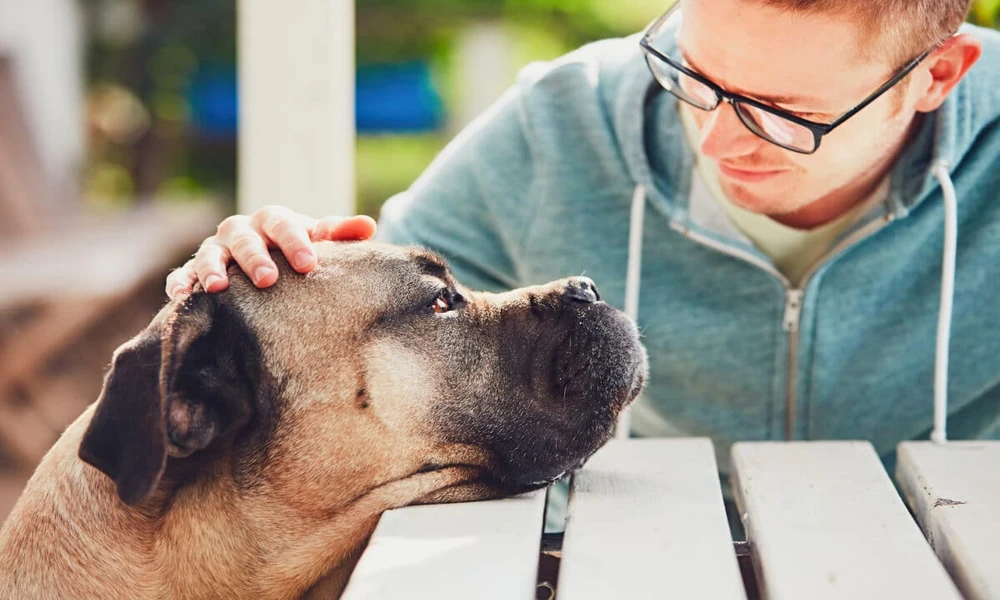
You notice the small changes before anyone else does. Your dog slows down on walks. Your cat skips a meal and hides under the bed. Your pet still looks mostly fine, which somehow makes the decision harder, because you do not know if this is routine, urgent, or something you can watch for another day. That uncertainty wears on people seeking pet wellness in Murrieta, CA.
General veterinary clinics exist for exactly this part of pet ownership. They handle the everyday care that keeps problems from growing, and they are often the first place you turn when something feels off. If you have ever wondered what a general veterinarian actually does, the short answer is simple. They provide preventive care, diagnose common illnesses, treat minor injuries, and guide you on the next step when your pet needs more advanced help.
Wellness exams help catch problems before they turn into emergencies
One of the most common services in general veterinary clinics is the routine wellness exam. This is the visit many people postpone when life gets busy, yet it is often the appointment that saves money, stress, and pain later. A pet can look normal at home and still have early dental disease, weight gain, arthritis, skin issues, or changes in heart and lung function.
During a wellness visit, a veterinarian checks your pet from nose to tail, reviews behavior, appetite, mobility, and bathroom habits, and updates vaccines or screening tests when needed. The goal is not just to say your pet is healthy. The goal is to notice what has changed since the last visit. The University of Georgia Pet Health Center explains the value of annual wellness exams in that exact way, as a way to monitor health over time instead of waiting for a crisis.
This matters more than most people expect. A yearly exam for a young pet and more frequent checks for seniors can uncover issues early, when treatment is often simpler and less expensive. You are not overreacting by booking a routine visit. You are staying ahead of what your pet cannot explain.
Vaccinations and preventive care protect pets from avoidable illness
Preventive care is another core part of everyday veterinary services. Vaccines, parasite prevention, fecal testing, heartworm screening, and advice on nutrition all fall into this category. These services can feel easy to delay because the pet in front of you seems healthy right now. The problem is that fleas, ticks, intestinal parasites, and contagious diseases do not wait for a convenient time.
A puppy that misses vaccines is more exposed during a stage when its immune system is still developing. An adult dog without heartworm prevention may show no signs until the disease is advanced. Indoor cats can still pick up parasites or develop weight-related illness if their diet and activity are off balance. Michigan State University’s primary care service outlines how primary veterinary care often centers on these preventive steps because they reduce the chance of serious disease later.
This is where a general practice earns its place. The clinic is not just giving shots. It is building a prevention plan around your pet’s age, species, lifestyle, and risk factors.
Diagnosis and treatment for common illnesses bring clarity fast
Some visits are not planned. Vomiting, diarrhea, ear infections, coughing, itchy skin, limping, and urinary issues are all common reasons people call a general vet clinic. These problems can look minor at first, then become messy and expensive if they are ignored for too long. You may be trying to judge whether your pet needs rest, a diet change, or same-day care. That guesswork is stressful because the signs overlap.
A general veterinarian can examine your pet, run basic diagnostics such as bloodwork, urinalysis, fecal testing, skin cytology, or X-rays, and start treatment for many routine conditions. Washington State University’s community practice describes this kind of care for cats and dogs as the front line for ongoing health concerns and common medical needs.
That front line matters. If your dog has an ear infection, fast treatment can stop the cycle of scratching, pain, and head shaking before the ear becomes swollen and harder to manage. If your cat strains in the litter box, a prompt exam can separate a mild issue from a urinary blockage, which is an emergency. The clinic visit gives you an answer, not just more worry.
Minor injury care and chronic disease management support daily life
General vet services also include treatment for minor wounds, hot spots, nail injuries, mild sprains, and follow-up care after surgery or illness. Many clinics also help manage chronic conditions such as arthritis, allergies, diabetes, thyroid disease, and obesity. This part of care is less dramatic than emergency medicine, but it shapes your pet’s daily comfort.
Living with a pet that has a long-term condition often means second-guessing yourself. Is the medication working? Is the limp worse? Is the weight gain from age, less exercise, or something deeper? A general veterinarian helps track those patterns and adjust the plan before your pet declines further.
Common veterinary clinic services compared by purpose and timing
| Service | What It Addresses | When Pets Usually Need It | Risk of Waiting |
|---|---|---|---|
| Wellness exams | Overall health, early disease detection, baseline changes | At least yearly, more often for seniors or pets with health issues | Hidden problems can progress without clear symptoms |
| Vaccinations and parasite prevention | Infectious disease prevention, flea, tick, and heartworm control | On a schedule based on age, lifestyle, and species | Higher risk of avoidable illness and harder treatment later |
| Sick visits and diagnostics | Vomiting, diarrhea, skin issues, ear infections, coughing, urinary problems | As soon as symptoms appear or persist | Minor illness can become severe or costly to treat |
| Minor injury and chronic care | Wounds, limping, arthritis, allergies, weight issues, ongoing medication checks | After an injury or during long term management | Pain, reduced mobility, and worsening quality of life |
Simple steps make veterinary care easier to manage
Track changes before the appointment. Write down when the problem started, how often it happens, what your pet is eating, and any changes in energy, thirst, or bathroom habits. A short timeline helps the vet narrow things down faster.
Schedule routine care before you need urgent care. Preventive visits are easier to plan and usually less expensive than crisis treatment. If your pet is due for vaccines, an exam, or parasite prevention, book it before symptoms force the issue.
Ask what to watch for at home. Leave the visit knowing the next checkpoint. Ask which signs mean the treatment is working, which signs mean your pet should come back, and how soon you should expect improvement.
General veterinarian care gives you a clear first step
Most pet health concerns do not start with a dramatic emergency. They start with a small change, a bad feeling, and a lot of uncertainty. That is why common veterinary clinic services matter so much. They give you a place to start, a plan to follow, and a better chance of catching problems early. If your pet is due for preventive care or showing signs that something is off, schedule a visit with a general veterinarian and get clear guidance before a manageable issue turns into a harder one.
