

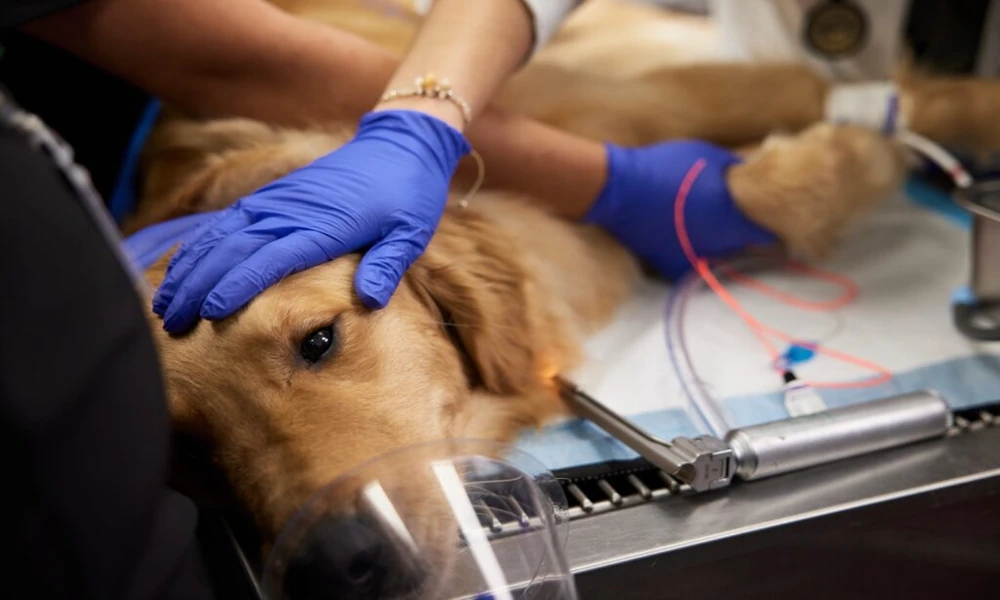
You do not plan for a pet emergency. One minute your dog is running through the yard, your cat is hiding in her usual spot, and the next you are looking at labored breathing, sudden collapse, bleeding, or severe pain. In that moment, you are not thinking about perfect decisions. You are trying to move fast without making the wrong call, which is why having a trusted St. Joseph vet in mind can make all the difference.
That is why people place so much trust in veterinary hospitals for urgent surgical care. When a pet needs immediate help, a veterinary hospital is built for speed, diagnosis, anesthesia, surgery, monitoring, and aftercare under one roof. The short version is simple. Emergency surgeries are trusted in these settings because they combine trained teams, advanced equipment, and round-the-clock support when minutes matter.
Veterinary hospitals are built for emergency surgery decisions
A true emergency is rarely neat. A pet may come in after being hit by a car, swallowing a toy, developing bloat, suffering a blocked bladder, or tearing internal tissue after trauma. The problem is not only the surgery itself. The first challenge is figuring out what is wrong, how unstable the pet is, and whether surgery should happen now or after stabilization.
This is where a veterinary hospital stands apart. The team can assess oxygen levels, blood pressure, pain, blood loss, heart rhythm, and organ function right away. Imaging, lab work, IV fluids, blood products, and emergency medications are often available without sending you somewhere else. That matters because delay changes outcomes. A pet with internal bleeding or a twisted stomach does not have hours to spare.
Many pet owners worry they are overreacting. Then guilt sets in when they realize something serious is happening. A hospital setting helps take that burden off your shoulders. The team is trained to sort out what is urgent, what can wait, and what needs surgery now. You are not expected to know the difference between a painful stomach and a life-threatening abdominal emergency.
Universities and referral centers show how this level of care works in practice. The Ohio State emergency and critical care service outlines the kind of rapid evaluation and intensive support many veterinary hospitals provide. The NC State emergency service reflects the same model, with emergency teams prepared to assess and treat unstable pets at all hours.
Emergency veterinary surgery depends on teamwork, not one person
People often picture a surgeon doing the hard part alone. In reality, trusted emergency veterinary surgery depends on a coordinated team. The surgeon matters, but so do the emergency doctor, anesthesia staff, technicians, imaging team, and intensive care nurses watching every change before, during, and after the procedure.
If your pet needs surgery for a foreign body obstruction, for example, the procedure is only one piece of the case. Your pet may arrive dehydrated, vomiting, weak, and at risk for shock. Stabilization comes first. Anesthesia must be adjusted to the pet’s condition. Pain control has to be precise. Recovery needs close monitoring because complications often happen after surgery, not during it.
This team based approach is one reason animal hospital emergency surgery earns trust. Hospitals are designed for handoffs and constant observation. If a pet’s blood pressure drops at 2 a.m. or breathing changes after anesthesia, there is a system in place to respond fast.
Veterinary hospitals reduce the risks that come with urgent procedures
No surgery is risk-free, especially when it happens under pressure. Pets in crisis may already be unstable from blood loss, infection, toxin exposure, or trauma. A veterinary hospital lowers those risks by preparing for what can go wrong, not just what is expected to go right.
That includes access to oxygen support, advanced monitoring, emergency drugs, sterile operating space, and postoperative ICU care. It also includes honest communication. You may hear that your pet needs surgery, but also that the bigger risk is the condition itself. A blocked dog can suffer bladder rupture. A cat with severe trauma can decline quickly. Waiting for a standard appointment is often the more dangerous choice.
Financial stress is part of this too, and it is real. Emergency care can be expensive because it involves immediate staffing, diagnostics, anesthesia, surgery, and monitoring. Even so, many families choose a veterinary hospital because the cost of delay can become higher, both medically and emotionally. When treatment starts earlier, there is often a better chance to avoid deeper complications.
Veterinary hospital care offers clearer support than delayed or fragmented treatment
| Care Setting | What It Usually Offers | Main Limitation in a Surgical Emergency |
|---|---|---|
| Veterinary hospital with emergency services | Immediate triage, imaging, lab work, anesthesia, surgery, ICU monitoring | Higher upfront cost |
| General practice clinic during regular hours | Initial exam, some diagnostics, referral guidance | May not have overnight staff, advanced monitoring, or emergency surgery access |
| Waiting at home to see if symptoms pass | No immediate expense | Risk of shock, rupture, worsening pain, or loss of surgical window |
The difference often comes down to continuity. In a hospital, the same case can move from triage to imaging to surgery to recovery without losing time. In fragmented care, you may drive from place to place while your pet gets sicker. That is one reason people trust a veterinary hospital when every hour feels heavy.
Three steps you can take when your pet may need emergency surgery
Watch for signs that should not wait. Trouble breathing, repeated vomiting, a swollen abdomen, collapse, inability to urinate, severe bleeding, seizures, pale gums, or sudden extreme pain need urgent attention. If your pet seems deeply “off,” trust that instinct.
Call ahead and describe the symptoms clearly. Give the team the species, breed, age, weight, symptoms, when they started, and any known injury or toxin exposure. That helps them prepare oxygen, imaging, or surgical staff before you arrive.
Bring what the hospital needs. Take any medication list, records, toxin packaging, or details about what your pet may have eaten. Keep your pet as calm and still as possible during transport. Do not give food, water, or human pain medicine unless a veterinarian tells you to.
Trusted veterinary hospitals give pets their best chance in a crisis
When your pet is in trouble, trust often comes down to one thing. You need a place that can act fast and think clearly at the same time. That is what a veterinary hospital is built to do. The diagnosis happens quickly, the surgical team is ready, and the monitoring does not stop once the procedure is over. That level of support is why veterinary hospital care is so often the first choice for emergencies that cannot wait.
If your pet is showing signs of a surgical emergency, seek help right away. Fast care can make a hard night more manageable and give your pet the strongest chance to recover.
