

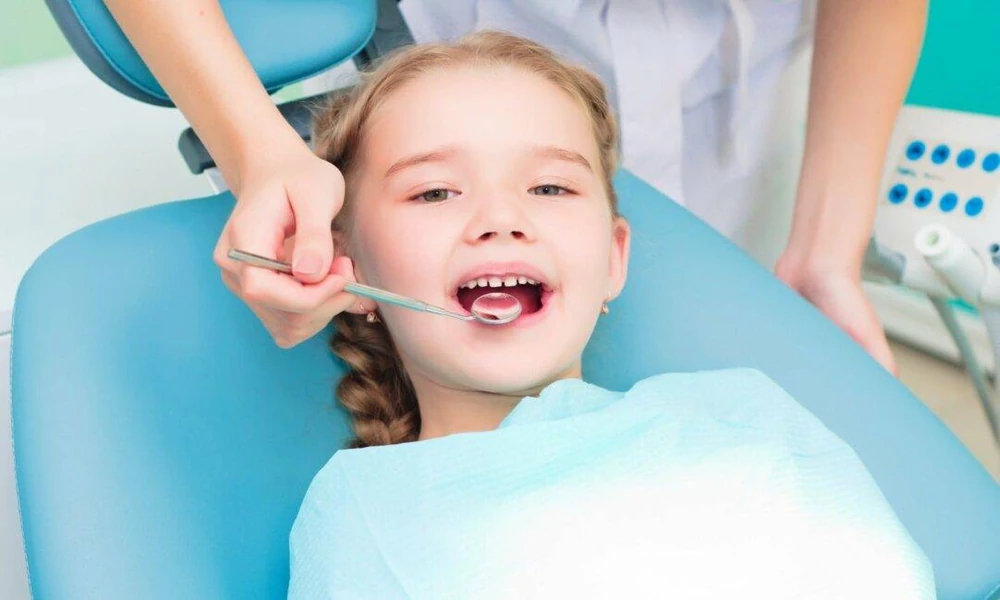
You may have noticed a crowded baby tooth, a bite that looks a little off, or a habit like thumb sucking that never quite stopped. Maybe your child’s dentist mentioned an orthodontic check, and now you are wondering if this is necessary or just one more thing to manage. That reaction makes sense. When a child still has baby teeth, it is easy to assume there is plenty of time. A Chicago orthodontist can help determine whether early evaluation is necessary.
There is time, but timing matters. Early orthodontic screening does not mean every child needs braces right away. It means an orthodontist checks how the jaws, teeth, and bite are developing before problems get harder to correct. In many cases, that simple step helps families avoid bigger issues, more discomfort, and more expensive treatment later.
Early orthodontic screening catches growth problems before they settle in
One of the biggest benefits of an early screening is that growth patterns are easier to guide when a child is still developing. If the upper jaw is too narrow, the lower jaw shifts to one side, or permanent teeth are heading into the wrong place, those issues often become clearer around age 7. That is why many orthodontists recommend an evaluation by then.
When these problems go unchecked, they rarely fix themselves. A crossbite can affect how the jaws grow. Severe crowding can make brushing harder and raise the risk of decay or gum irritation. According to the Oral Health in America report, oral health conditions can shape comfort, function, and quality of life in ways families feel every day, from eating to sleeping to self-confidence.
This is where early orthodontic evaluation has real value. A screening can identify whether your child needs treatment now, later, or not at all. That clarity matters. Instead of guessing, you get a plan based on how your child’s mouth is actually growing.
Interceptive orthodontic treatment can reduce the need for harder treatment later
Parents often worry that an early screening automatically leads to years of treatment. Usually, that is not how it works. In many cases, the first phase is short and focused. The goal is not to perfect every tooth at a young age. The goal is to remove obstacles that make later development harder.
If a child has a narrow palate, for example, expansion may create room for proper growth. If a front tooth is trapped behind others, early intervention may help it erupt correctly. If protruding front teeth are at risk of injury, treatment can improve protection before a fall on the playground turns into a dental emergency.
Children’s Hospital of Philadelphia explains that Phase 1 orthodontics can address bite and jaw concerns while a child is still growing, often making future treatment simpler and more predictable. That does not promise a child will never need braces later, but it can reduce the severity of what comes next.
This is one of the clearest benefits of early orthodontic screening. You are not chasing perfection early. You are preventing avoidable complications.
Early orthodontic care supports comfort, confidence, and daily function
Orthodontic problems are not only about appearance. Kids feel bite issues in ordinary moments. They may chew on one side, struggle with certain foods, breathe through the mouth, or feel embarrassed about crowded or protruding teeth. Sometimes they do not say much, but you see it in photos where they hide their smile or in meals that take longer than they should.
Research on developing malocclusion and early intervention has shown that screening can help identify children who may benefit from timely treatment before functional and social concerns build up. A review available through PubMed Central discusses how early assessment can support better outcomes by spotting developing problems during active growth.
That is why orthodontic screening matters beyond straight teeth. Better alignment can support speech, chewing, oral hygiene, and confidence. Those are daily quality-of-life issues, not cosmetic extras.
Practical comparison points help families decide when to schedule an orthodontist visit
Many families wait because nothing seems urgent. The trouble is that orthodontic issues often become more obvious only after they have had more time to develop. A screening is low pressure, but the information it gives can be high value.
| Timing | What an Orthodontist Can Assess | Possible Upside | Possible Risk of Waiting |
|---|---|---|---|
| Around age 7 | Jaw growth, crowding, crossbite, habits, eruption patterns | Early guidance while growth is active | Missed chance to guide jaw development |
| After all permanent teeth erupt | Alignment and bite once problems are established | Clear full treatment plan | May need more complex treatment to correct issues that worsened over time |
| Only when pain or appearance becomes a concern | Visible or symptomatic problems | Treatment starts once the issue is obvious | Functional issues, injury risk, or crowding may already be more severe |
For some children, the result of a screening is simply observation. That alone can be reassuring. You stop wondering whether you missed something, and you know when to check again.
Three steps you can take after noticing possible bite or spacing problems
1. Watch for specific signs at home. Look for mouth breathing, thumb sucking, early or late loss of baby teeth, crowded teeth, difficulty chewing, jaw shifting, or teeth that do not meet properly. One sign does not confirm a problem, but patterns are worth attention.
2. Schedule an orthodontist screening by age 7. If your child is near that age, or older and has never been evaluated, now is a reasonable time. Early screening is about timing and planning, not rushing into treatment.
3. Bring records and questions to the visit. If your dentist has taken X-rays or noted bite concerns, bring that information. Ask whether the issue needs treatment now, monitoring, or a later return. Ask what may happen if you wait. Clear answers make the next step easier.
Early orthodontic screening gives you options before problems grow
If you have been second-guessing whether a small bite issue is worth checking, that instinct is understandable. Most parents are trying to avoid unnecessary treatment, not ignore care. An early screening helps you sort out the difference. It can catch growth issues sooner, lower the chance of more difficult treatment later, and support your child’s comfort and confidence along the way.
If you have noticed crowding, bite changes, or jaw concerns, schedule a screening with an orthodontist and get a clear picture of what your child needs now and what can wait.
